







What's Happening?
The Ohio Department of Agriculture has allocated a $50,000 grant to Ross County to assist in land use planning, as part of a broader $1 million funding initiative distributed across 22 counties. This grant aims to support the development, updating, or implementation
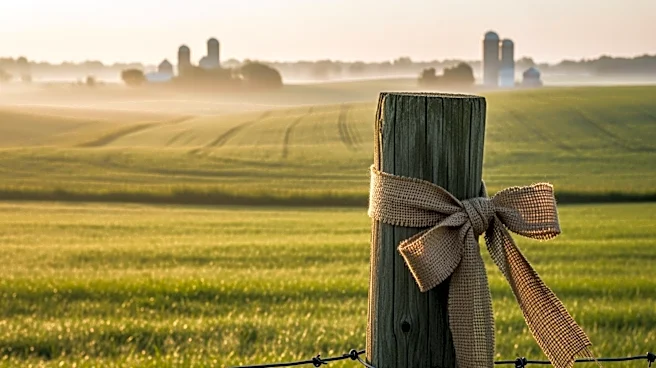
of land use and farmland preservation plans. These plans are designed to guide local governments in determining optimal land use, ensuring the protection of productive agricultural land from conversion, and enhancing the economic vitality of the agricultural community. The initiative emphasizes collaboration among county governments, townships, villages, and municipalities with active farmland, alongside partnerships with soil and water conservation districts or regional planning commissions.
Why It's Important?
This grant is significant as it underscores the importance of farmland preservation in maintaining Ohio's agricultural heritage and economic vitality. Agriculture is a major industry in Ohio, contributing $124 billion annually to the state's economy. By supporting farmland preservation, the grant helps safeguard agricultural land, ensuring it remains productive and economically viable. This initiative not only protects the agricultural landscape but also promotes sustainable community development, balancing growth with the need to preserve vital agricultural resources. The collaboration encouraged by the grant fosters stronger ties between farmers and local governments, enhancing community resilience and economic stability.
What's Next?
The counties receiving these grants, including Ross County, will proceed with developing or updating their land use and farmland preservation plans. These plans will involve collaboration with various local entities to ensure comprehensive and effective strategies are implemented. The Ohio Department of Agriculture will likely continue monitoring the progress of these initiatives, providing guidance and support as needed. The success of these plans could serve as a model for other regions, potentially influencing future agricultural policy and land use planning efforts across the state.