




What's Happening?
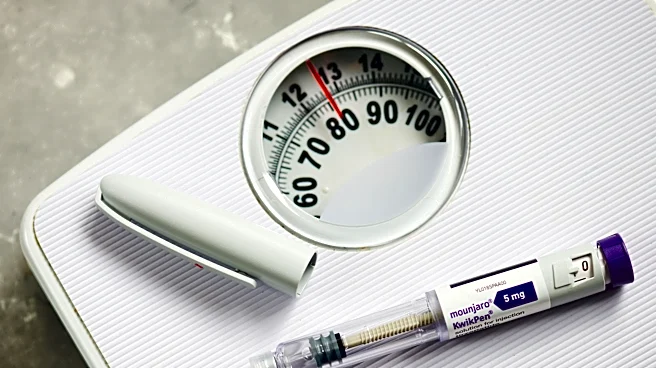
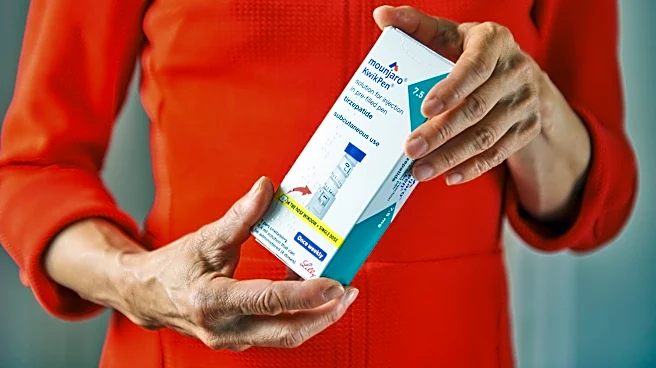
GLP-1 medications, such as semaglutide (Ozempic, Wegovy) and tirzepatide (Mounjaro, Zepbound), are gaining attention for their potential role in managing weight during menopause, according to Acibadem International. While no randomized trials have specifically
studied GLP-1 medicines in menopausal women, subgroup data from broader trials suggest that women over 50 experience similar percentages of weight loss as younger adults. For instance, pivotal trials showed average weight loss of 15% to 21% over 68-72 weeks. An observational analysis in 2024 indicated that postmenopausal women taking semaglutide alongside hormone therapy lost more weight (16%) than those on semaglutide alone (12%). However, this finding is considered weak to moderate evidence due to the study's observational nature and small sample size. GLP-1s primarily work by reducing appetite, slowing stomach emptying, and regulating blood sugar, rather than directly affecting menopausal hormones.
Why It's Important?
Menopause often brings weight gain and shifts in fat distribution, increasing health risks. GLP-1 medications offer a potential tool for managing these changes, which is significant for the health and well-being of millions of U.S. women. The current evidence, while promising, highlights a critical gap in specific research for menopausal women. This means that treatment decisions require careful clinical judgment, considering individual health history, potential side effects, and the lack of direct evidence on interactions with hormone therapy. The growing interest in GLP-1s for menopause also underscores the need for clear, evidence-based information to counter misinformation and celebrity speculation, ensuring that women make informed decisions with their healthcare providers.
What's Next?
Clinicians are advised to consider GLP-1 medications for menopausal women based on their overall health, weight management needs, and existing conditions, rather than specifically for menopause itself. The importance of lifestyle interventions, such as resistance training (at least twice weekly) and adequate protein intake, is emphasized to mitigate muscle loss, which is a concern during weight loss and accelerates after menopause. Further randomized controlled trials are needed to specifically investigate the efficacy and safety of GLP-1s in menopausal women, particularly in combination with hormone therapy. Until then, individualized medical supervision remains paramount, and patients should not adjust prescribed medications or use unapproved compounded versions.
Beyond the Headlines
The discussion around GLP-1s and menopause reflects a broader societal shift towards seeking pharmacological solutions for age-related health challenges. This trend raises questions about the balance between medical intervention and lifestyle management, particularly for conditions like weight gain that are influenced by multiple factors including aging, hormones, and lifestyle. The observational findings regarding GLP-1s and hormone therapy, while not definitive, could spur further research into the synergistic effects of different treatments. This situation also highlights the ethical considerations of 'off-label' use and the importance of robust scientific evidence to guide clinical practice, especially when addressing the complex and often sensitive health concerns of midlife women.