



What's Happening?
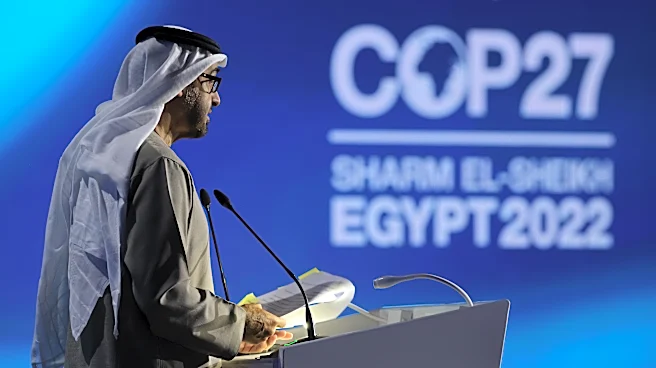
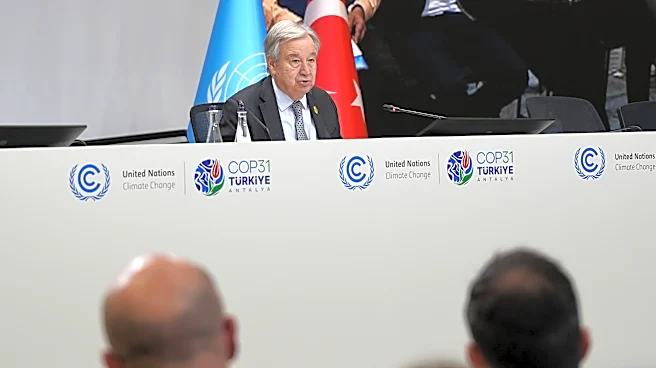
The first week of the United Nations Climate Change Conference (COP31) in Antalya, southern Türkiye, has concluded with significant announcements regarding green investments and new climate initiatives. Over 100 world leaders attended the Leaders’ Summit,
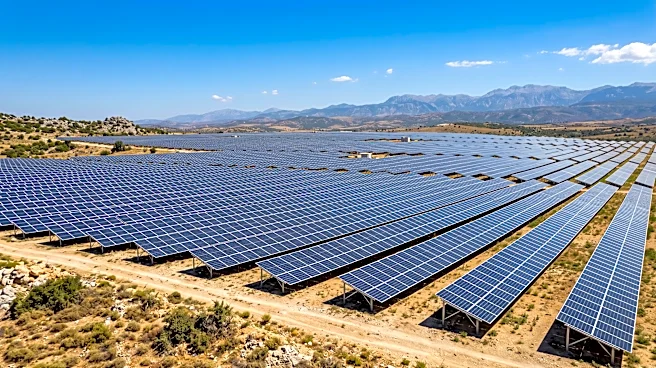
emphasizing Türkiye's commitment to translating climate pledges into tangible actions. Governments, financial institutions, and businesses have declared partnerships aimed at accelerating the transition to a lower-carbon economy. Türkiye alone announced partnerships exceeding $26 billion in green investment, including a $15 billion agreement with China for renewable energy and a $6 billion investment plan from the European Bank for Reconstruction and Development (EBRD) in Türkiye over five years. Additionally, a utilities alliance has committed to increasing its annual investment plans to at least $156 billion, targeting over $1 trillion for energy transition by 2030. Despite these financial commitments and new initiatives, several critical issues, such as climate finance, adaptation, emissions reduction, and just transition, remain unresolved as negotiations enter their final week.
Why It's Important?
The substantial financial commitments and new initiatives announced at COP31 underscore a growing global recognition of the urgency for climate action and the transition to a green economy. The over $26 billion in green investments, particularly Türkiye's agreements with China and the EBRD, signal a significant push towards renewable energy and sustainable development. The commitment from a utilities alliance to mobilize over $1 trillion by 2030 highlights the private sector's increasing role in financing the energy transition. These investments are crucial for developing and deploying clean energy technologies, improving energy infrastructure, and fostering sustainable practices worldwide. For the U.S., these global efforts can influence domestic policy, encourage similar private and public sector investments in renewable energy, and potentially open new markets for American green technologies and services. The unresolved issues, however, indicate the persistent challenges in achieving consensus among nations with diverse economic and energy priorities, which could impact the pace and scope of global climate action and necessitate more robust diplomatic engagement from the U.S. to bridge these gaps.
What's Next?
As COP31 enters its final week, negotiators will engage in more intensive ministerial-level consultations to address unresolved issues concerning climate finance, adaptation, emissions reduction, and just transition. COP31 President Murat Kurum and President of Negotiations Chris Bowen have indicated that the coming week will be crucial for translating the progress made into concrete decisions. The challenge lies in bridging differences among countries to secure consensus on a shared outcome that can be supported by nations with varying economic circumstances and energy priorities. The announced investments and partnerships, while significant, do not automatically translate into official COP decisions, which require consensus among parties to the U.N. climate convention. Future steps will involve detailed planning and implementation of these financial commitments, alongside continued diplomatic efforts to finalize agreements on key climate action areas. The U.S. will likely monitor these developments closely, as the outcomes could shape international climate policy and influence its own domestic and foreign policy approaches to climate change.
Beyond the Headlines
The announcements at COP31, particularly the substantial financial pledges, reflect a broader shift towards integrating climate action into economic development strategies. The focus on electrification, energy storage, and green industrialization indicates a recognition that climate solutions are not merely environmental but also economic opportunities. The emphasis on partnerships involving governments, businesses, and financial institutions highlights a multi-stakeholder approach to tackling climate change, moving beyond traditional governmental negotiations. However, the distinction between voluntary initiatives and formal COP decisions underscores a persistent tension between aspirational commitments and legally binding agreements. This dynamic raises questions about the enforceability and long-term impact of such pledges. The ethical implications of ensuring a 'just transition' for all countries, especially developing nations, remain a critical underlying theme, as equitable access to financing and technology is essential for global climate success. The long-term success of these initiatives will depend on robust financing arrangements, effective implementation, and sustained political will, which could trigger significant shifts in global energy markets and international cooperation frameworks.