
What's Happening?
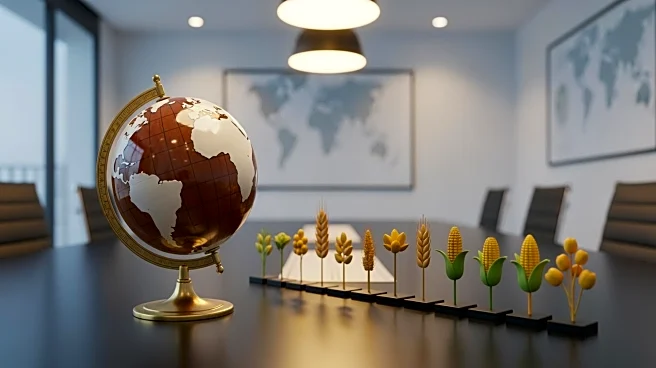
The U.S. Department of Agriculture (USDA) has announced plans to host six Agribusiness Trade Missions in 2026 as part of President Trump's efforts to enhance American agricultural exports. These missions
aim to expand and diversify global market opportunities for U.S. agriculture. The trade missions will take place in Jakarta, Indonesia; Manila, Philippines; Istanbul, Turkey; Australia and New Zealand; Saudi Arabia; and Vietnam. Each mission is designed to address tariff and non-tariff barriers, improve market access, and engage with local officials to boost U.S. agricultural exports. For instance, the mission to Indonesia will eliminate tariffs on over 99% of U.S. products, while the mission to the Philippines will mark the 80th anniversary of U.S.-Philippines diplomatic relations.
Why It's Important?
These trade missions are crucial for the U.S. agricultural sector, as they aim to open new markets and enhance export opportunities. By reducing tariffs and addressing trade barriers, the missions can significantly increase the competitiveness of U.S. agricultural products globally. This expansion is vital for the U.S. economy, as agricultural exports contribute to economic growth and job creation. The missions also reflect the Trump administration's commitment to supporting American farmers and ranchers by leveling the playing field in international markets. Successful trade missions can lead to increased sales, higher revenues for U.S. producers, and strengthened economic ties with participating countries.
What's Next?
The USDA will continue to prepare for these trade missions, focusing on strategic engagement with local governments and industry stakeholders in the target countries. The missions are expected to foster long-term partnerships and facilitate ongoing trade negotiations. U.S. agricultural producers and exporters will need to stay informed about the specific opportunities and challenges in each market to maximize the benefits of these missions. Additionally, the USDA will likely monitor the outcomes of these missions to assess their impact on U.S. agricultural exports and make necessary adjustments for future trade initiatives.