

What's Happening?
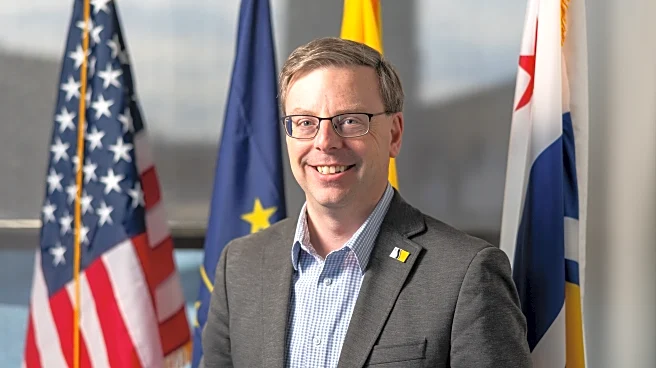
Arsenio Antonio Domínguez Velasco, the Secretary-General of the International Maritime Organization (IMO), visited the NYK-Fil Maritime E-Training Inc. (NETI) and NYK-TDG Maritime Academy (NTMA) in the Philippines on February 18. The visit was part of official
engagements with maritime stakeholders in the region. During his visit, Domínguez Velasco toured NETI's advanced simulator facilities, which are designed to support global shipping operations through cutting-edge maritime education and training technologies. He also addressed NTMA cadets, engaging in an open dialogue about maritime safety, environmental sustainability, and career development, particularly focusing on the advancement of women in the maritime industry. The visit concluded with a campus tour and a formal send-off attended by government officials, diplomatic representatives, and maritime industry leaders.
Why It's Important?
This visit underscores the Philippines' critical role in the global maritime workforce and highlights the importance of international collaboration in advancing maritime education and sustainability. The engagement by the IMO Secretary-General emphasizes the need for continued development of human resources in the maritime sector, aligning with international standards. By focusing on practical education and training, the visit aims to enhance the competence of seafarers, ensuring safe and sustainable maritime transport. This initiative is crucial as it addresses global challenges such as maritime safety and environmental sustainability, which are vital for the future of international shipping operations.
What's Next?
The visit is expected to strengthen the relationship between the IMO and the Philippines, fostering further collaboration in maritime education and training. The focus on sustainability and safety may lead to new initiatives and programs aimed at enhancing the skills of seafarers and promoting gender equality in the maritime industry. Stakeholders in the maritime sector may anticipate increased support and resources from international bodies to implement innovative practices that align with global standards. This could also lead to policy developments that prioritize environmental sustainability and safety in maritime operations.