







What's Happening?
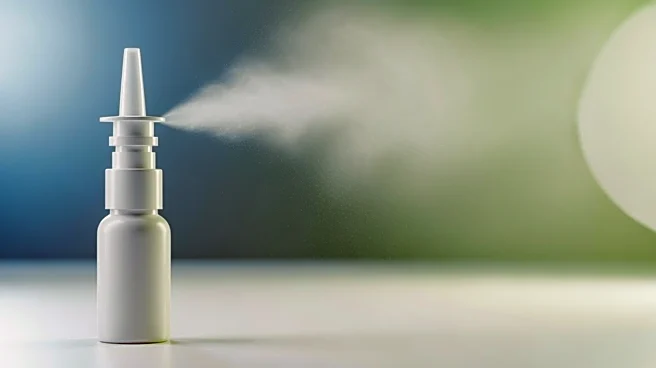
The U.S. Food and Drug Administration (FDA) has approved Rextovy, a new over-the-counter naloxone nasal spray, to treat opioid overdoses. This approval allows consumers to purchase the 4-milligram naloxone hydrochloride nasal spray without a prescription
at pharmacies, convenience stores, and online. Naloxone is a medication that quickly reverses the effects of an opioid overdose. The FDA had previously approved Narcan, the first over-the-counter naloxone nasal spray, in March 2023. The availability of Rextovy is expected to expand access, encourage market competition, and potentially reduce costs. The FDA highlighted the importance of immediate access to naloxone in overdose situations and remains committed to ensuring nonprescription options are widely available.
Why It's Important?
The approval of Rextovy is significant in the ongoing battle against the opioid crisis in the United States. By making naloxone more accessible, the FDA aims to reduce the number of opioid overdose deaths, which have decreased since the first approval of Narcan but remain a critical public health issue. The availability of over-the-counter naloxone could save lives by providing rapid intervention in overdose situations, particularly in high-risk areas such as convenience store and gas station parking lots. This move also reflects a broader strategy to make life-saving medications more accessible to the public without the barriers of prescription requirements.
What's Next?
The FDA encourages manufacturers interested in marketing nonprescription naloxone products to engage with the agency to discuss potential approvals. As more formulations become available, it is expected that competition will drive down prices, making these critical medications more affordable. Community initiatives, like those in Chicago, may expand to other regions, further increasing naloxone availability in areas with high overdose rates. The FDA's continued support for nonprescription naloxone options suggests ongoing efforts to address the opioid crisis through increased accessibility and public health interventions.