


What's Happening?
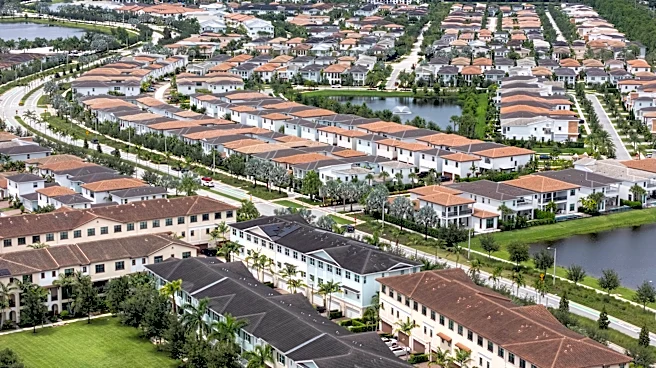
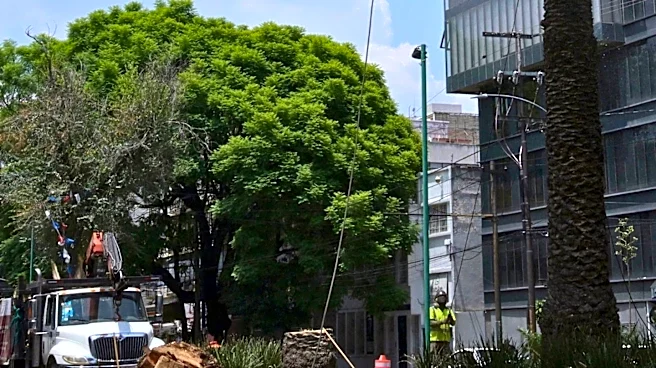
Brevard County officials have removed 62 mature oak trees from the Hammock Trace neighborhood in Viera, Florida. The decision was made because the root systems of these trees had caused sidewalks to buckle, creating unsafe and inaccessible conditions
for residents. According to Don Walker, Brevard County’s government communications director, the county explored various alternatives, including consulting with an arborist and offering the homeowners association (HOA) the opportunity to assume liability for the trees. However, the HOA declined this offer, leaving the county to proceed with the tree removal, stating they had 'no other choice' to ensure public safety. Residents, like Gary Colonna, expressed significant upset and concern over the loss of the trees, which were a major draw to the neighborhood and provided considerable shade.
Why It's Important?
This situation highlights the ongoing challenge faced by local governments in balancing urban aesthetics and environmental benefits with public safety and infrastructure maintenance. The removal of 62 mature trees in a single neighborhood represents a significant alteration to the local environment and community character. For residents, the loss of these trees means a reduction in shade, potentially leading to higher cooling costs for homes, and a diminished aesthetic appeal that initially attracted many to the area. From a municipal perspective, the county's action underscores the legal and practical imperative to maintain safe public pathways, even when it involves unpopular decisions. The incident also brings to light the complexities of shared responsibility between county authorities and homeowners associations regarding common area maintenance and liability.
What's Next?
Following the tree removal, Brevard County crews are currently engaged in cleaning up the remaining stumps and debris in the Hammock Trace neighborhood. The county has indicated that sidewalk repair work is scheduled to commence next year. This will address the immediate safety concerns that led to the tree removal. However, the long-term impact on the neighborhood's environment and residents' satisfaction remains to be seen. It is possible that residents may advocate for new landscaping solutions or alternative shade provisions to mitigate the loss of the oak trees. The incident could also prompt discussions within other communities and HOAs about proactive tree management strategies to prevent similar situations and better define responsibilities for maintaining shared public spaces.
Beyond the Headlines
The removal of these trees in Hammock Trace extends beyond a simple infrastructure project, touching upon deeper themes of community identity and environmental stewardship in urban planning. The 'no other choice' narrative from the county reflects a common dilemma where safety regulations often override ecological or aesthetic considerations. This event could serve as a case study for how urban development and natural elements interact, particularly as communities age and infrastructure deteriorates. It also raises questions about sustainable urban forestry practices and the potential for innovative solutions to manage tree roots and sidewalks without resorting to extensive tree removal. The emotional response from residents underscores the intrinsic value communities place on mature trees, not just for shade but for their contribution to the overall quality of life and sense of place.