


What's Happening?
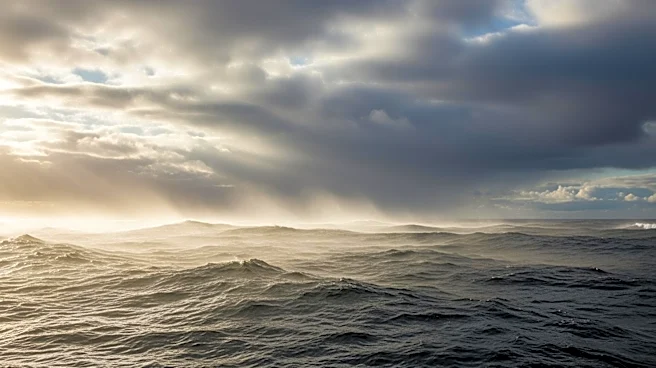
The Southern Ocean is experiencing increased rainfall as climate change intensifies, according to a new study. Researchers have observed a significant rise in rainfall over recent decades on Macquarie Island, located between Tasmania and Antarctica. The island's
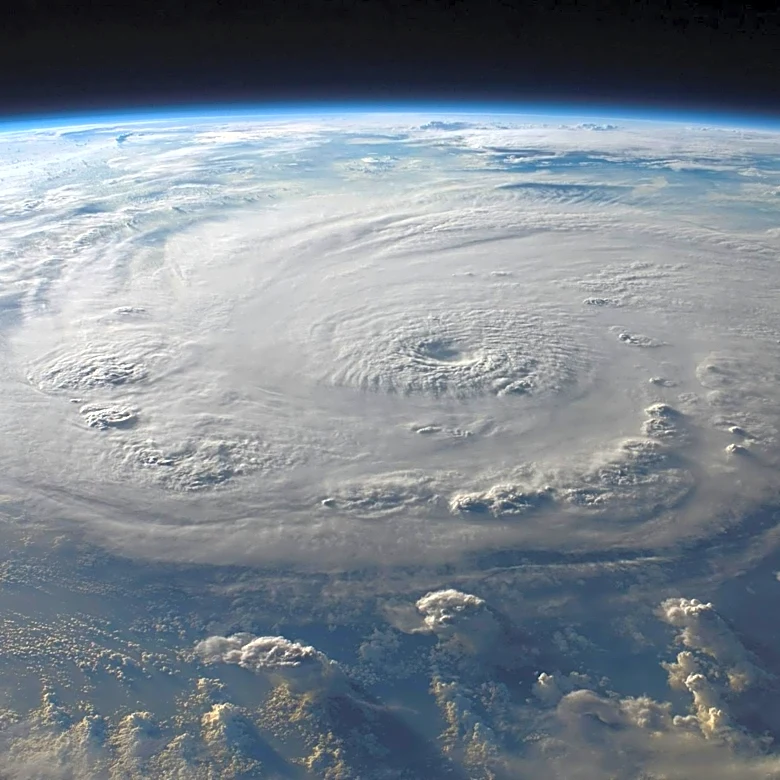
long-term weather records show a 28% increase in annual rainfall since 1979, attributed to more intense storms rather than an increase in storm frequency. This change is linked to stronger moisture content in storms and a shift in the Southern Ocean storm track closer to Antarctica. The study highlights a gap between observed data and climate models, with potential implications for global climate systems.
Why It's Important?
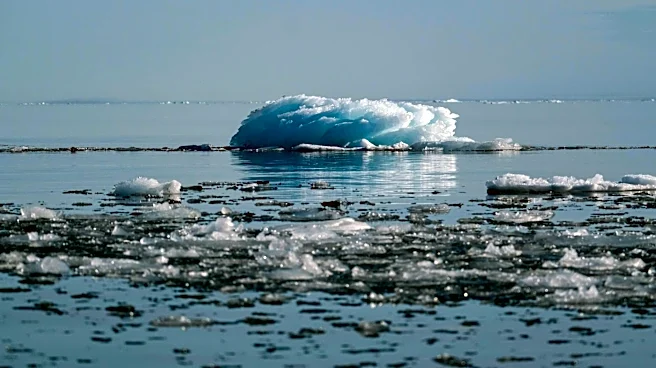
The findings from the Southern Ocean have significant implications for global climate patterns. Increased rainfall introduces more freshwater into the ocean's surface, potentially disrupting ocean currents and the movement of carbon and nutrients. This could affect one of the world's largest natural carbon sinks, with broader impacts on global climate regulation. The study also suggests that the Southern Ocean is losing more heat to the atmosphere, akin to sweating, which could further influence climate dynamics. Understanding these changes is crucial for predicting future climate scenarios and developing strategies to mitigate their impacts.
What's Next?
Further research is needed to determine the extent of these changes across the Southern Ocean and their potential impact on global climate patterns. Scientists emphasize the importance of continued monitoring and data collection to refine climate models and improve predictions. Policymakers and environmental organizations may need to consider these findings in climate action plans and conservation efforts. The study serves as a warning sign of the broader effects of climate change, underscoring the need for international cooperation in addressing environmental challenges.