



What's Happening?
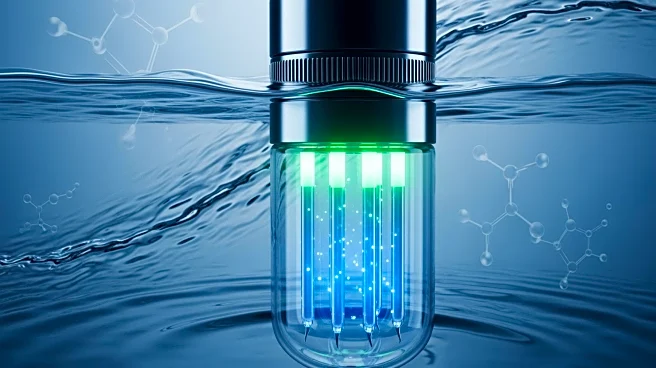
Recent advancements in electrochemical methods have significantly improved the extraction of uranium from seawater and mining wastewater. A critical review published in Sustainable Carbon Materials highlights these developments, focusing on the use of advanced
electrode materials. Uranium, a key component for nuclear energy, is primarily found in terrestrial deposits, but vast quantities are also present in seawater and wastewater. The review emphasizes the importance of developing scalable and efficient methods for uranium recovery due to its high mobility and toxicity, which pose environmental and health risks. Techniques such as electrocatalysis, which involves the adsorption and reduction of uranyl ions, have shown promise. For instance, MXene-based electrodes have achieved a 98.4% extraction efficiency in uranium-laden wastewater. The review also explores the link between the Hydrogen Evolution Reaction and uranyl extraction, noting that certain electrode modifications can enhance uranium removal and improve reusability.
Why It's Important?
The advancements in electrochemical uranium extraction are crucial for meeting the growing global demand for nuclear energy, a clean and low-carbon energy source. As terrestrial uranium reserves are limited, tapping into the vast quantities available in seawater and wastewater could secure long-term nuclear fuel supplies. This development is significant for the U.S. energy sector, which is increasingly looking towards sustainable and reliable energy sources. Efficient uranium extraction methods could reduce reliance on foreign uranium imports, enhance energy security, and support the transition to greener energy solutions. Additionally, these methods could mitigate the environmental and health risks associated with uranium contamination in water sources.
What's Next?
Future research will likely focus on overcoming the challenges of scaling up electrochemical uranium extraction methods. Key areas of development include designing cost-effective and high-performance electrode materials, reducing the energy consumption of these systems, and integrating them into broader multidisciplinary approaches. The success of these efforts could lead to widespread adoption of electrochemical methods in industrial settings, potentially transforming the nuclear energy landscape. Stakeholders in the energy and environmental sectors will be closely monitoring these advancements, as they hold the potential to significantly impact energy policy and environmental management strategies.
Beyond the Headlines
The implications of these advancements extend beyond immediate energy and environmental benefits. The development of efficient uranium extraction technologies could drive innovation in related fields, such as materials science and chemical engineering. Moreover, the successful implementation of these methods could set a precedent for addressing other environmental challenges, such as the recovery of rare earth elements from unconventional sources. This could lead to a broader shift towards sustainable resource management practices, influencing policy and regulatory frameworks at both national and international levels.