


What's Happening?
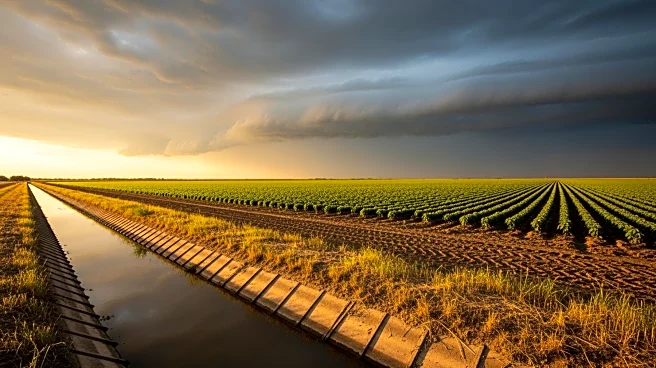
The Imperial Valley, a key agricultural hub in the United States, is experiencing economic pressures due to global conflicts affecting energy prices. The region, known for producing a significant portion of the nation's winter vegetables, relies heavily
on energy for farming operations. Global conflicts, particularly those affecting oil supply routes like the Strait of Hormuz, lead to increased energy costs. This rise in energy prices impacts the cost of agricultural production, including planting, growing, harvesting, and transporting crops. Additionally, disruptions in global food supply chains due to conflicts can lead to higher costs for agricultural inputs like fertilizer, further straining the local economy.
Why It's Important?
The economic impact of global conflicts on the Imperial Valley highlights the interconnectedness of local and global markets. As energy prices rise, the cost of living for local communities increases, affecting working families already dealing with high housing and fuel costs. The agricultural sector, a cornerstone of the Imperial Valley's economy, faces increased operational costs, which can lead to higher prices for consumers nationwide. Understanding these dynamics is crucial for making informed decisions to support local farmers and maintain economic stability. The situation underscores the broader implications of international instability on domestic economies, particularly in regions heavily reliant on agriculture.
What's Next?
Communities in the Imperial Valley may need to explore strategies to mitigate the impact of rising energy costs on agriculture. This could involve advocating for policies that stabilize energy prices or investing in alternative energy sources to reduce dependency on volatile global oil markets. Additionally, local leaders might focus on strengthening supply chain resilience to protect against disruptions in agricultural inputs. As global conflicts continue to influence energy and food markets, ongoing assessment and adaptation will be necessary to safeguard the region's economic health and support its role in the national food supply.
Beyond the Headlines
The situation in the Imperial Valley reflects broader ethical and economic challenges associated with global conflicts. The reliance on fossil fuels and the vulnerability of key shipping routes highlight the need for sustainable energy solutions. Moreover, the impact on local economies raises questions about the fairness of global market dynamics and the distribution of economic burdens. As communities grapple with these issues, there may be increased advocacy for policies that promote energy independence and equitable economic practices. The long-term implications could include shifts towards more sustainable agricultural practices and diversified energy sources.