





What's Happening?
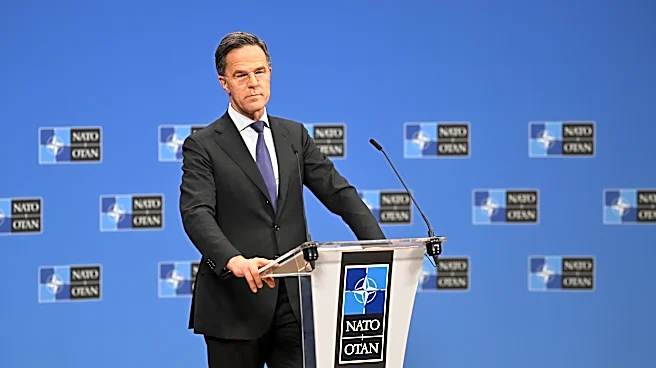
NATO convened its second Southern Neighbourhood Security Dialogue of Senior Officials on November 12 and 13, 2026, in Athens, Greece. The event, co-hosted with the Ministry of Foreign Affairs of Greece, brought together over 100 representatives from NATO Allies,
partner countries in NATO’s Mediterranean Dialogue and Istanbul Cooperation Initiative, Iraq, and the Gulf Cooperation Council. Notably, representatives from the European Union and the Kingdom of Saudi Arabia participated for the first time. Javier Colomina, NATO Secretary General’s Special Representative for the Southern Neighbourhood, emphasized the Alliance's commitment to strong engagement and cooperation with the southern neighborhood, aligning partnerships with shared priorities under the theme of 'Partnerships for Shared Security.' Discussions focused on the implications of events in the southern neighborhood for Allied and regional security and how to translate shared priorities into practical cooperation.
Why It's Important?
This dialogue underscores NATO's strategic focus on its southern flank, recognizing that stability in the Southern Neighbourhood directly impacts the security of Allied nations, including the United States. The inclusion of new participants like the European Union and Saudi Arabia signifies a broadening of regional security cooperation, which is vital for addressing complex challenges such as terrorism, irregular migration, and regional conflicts. For the U.S., this engagement helps to foster a more stable international environment, potentially reducing the need for direct military intervention and promoting burden-sharing among allies and partners. Enhanced cooperation can also lead to more effective intelligence sharing and coordinated responses to emerging threats, safeguarding U.S. interests and personnel in the region.
What's Next?
The Security Dialogue concluded with an event co-hosted with the Hellenic Foundation for European & Foreign Policy (ELIAMEP), featuring Special Representative Colomina and Ambassador Stamatopoulos of Greece. The discussions are expected to inform future NATO policies and cooperative initiatives in the Southern Neighbourhood. The emphasis on translating shared priorities into practical cooperation suggests that NATO and its partners will likely pursue concrete actions to enhance regional security, potentially including joint training exercises, capacity-building programs, and diplomatic efforts. Continued engagement with a broader range of regional actors, including the EU and Saudi Arabia, indicates a trend towards more inclusive and comprehensive security frameworks in the Mediterranean and Middle East.
Beyond the Headlines
The expansion of participants in this dialogue, particularly the inclusion of the European Union and Saudi Arabia, reflects a growing recognition of the interconnectedness of security challenges and the necessity of a multi-faceted approach. This move could signal a shift towards a more integrated security architecture that transcends traditional military alliances, incorporating diplomatic, economic, and humanitarian dimensions. For the U.S., this broader engagement could lead to more robust and resilient partnerships, distributing the responsibilities of regional stability and potentially fostering greater political cohesion among diverse actors. It also highlights the evolving nature of global security, where traditional adversaries may find common ground in addressing shared threats.