





What's Happening?
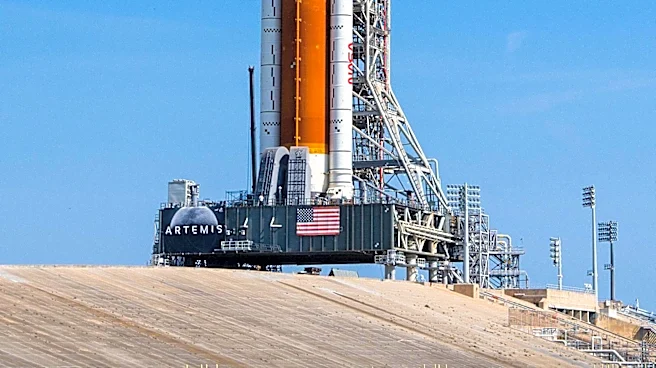
NASA has received the final delivery of shuttle-era RS-25 engines at the Michoud Assembly Facility in New Orleans for the Artemis III mission. These engines, which have a storied history of powering Space Shuttle missions, will be used in the Space Launch
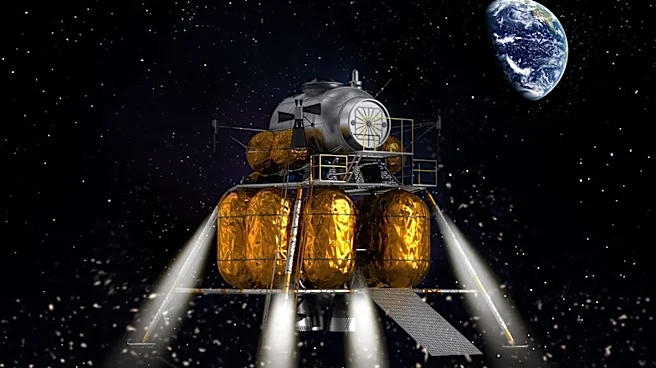
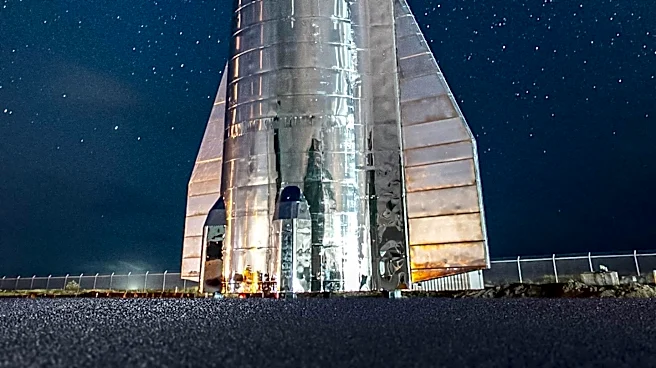
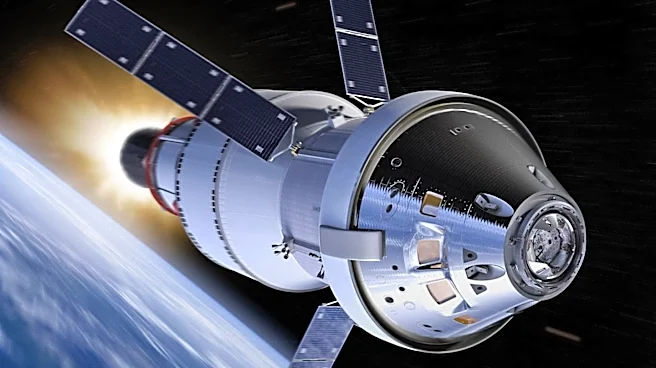
System (SLS) rocket. The Artemis III mission, originally planned as a lunar landing, has been restructured to serve as a crewed test flight in low Earth orbit. This mission will involve docking demonstrations with commercial lunar landers from SpaceX and Blue Origin, setting the stage for future lunar landings.
Why It's Important?
The delivery of these engines marks the end of an era for shuttle-derived propulsion systems and the beginning of a new chapter in NASA's Artemis program. The use of these engines in Artemis III is a strategic move to validate critical systems and procedures in a safer, Earth-orbit environment before attempting a lunar landing. This approach mirrors the Apollo 9 mission, which tested the Lunar Module in Earth orbit before the historic Apollo 11 landing. The transition to new, additively manufactured engines for future missions reflects NASA's commitment to innovation and cost-efficiency in space exploration.
What's Next?
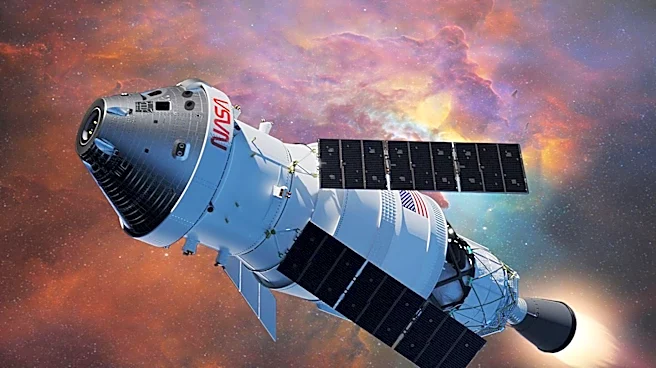
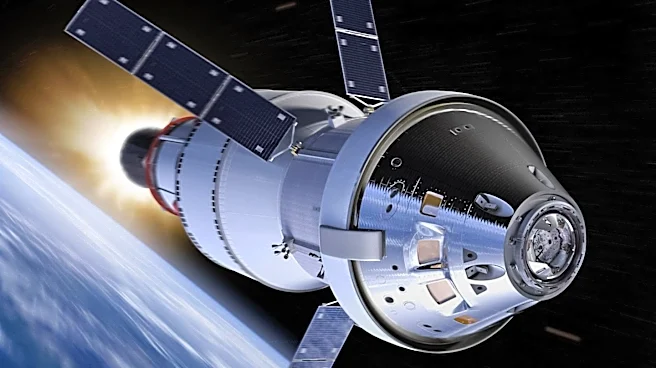
With the engines now at Michoud, NASA and Boeing will begin the integration process with the SLS core stage. This involves a new vertical integration method that simplifies and accelerates the installation process. Once integrated, the core stage will undergo final checks before being transported to the Kennedy Space Center for launch preparations. The Artemis III mission is scheduled for a late-2027 launch, aiming to demonstrate the capabilities of the Orion spacecraft and commercial lunar landers, thereby de-risking the subsequent Artemis IV mission, which targets a lunar landing in early 2028.