







What's Happening?
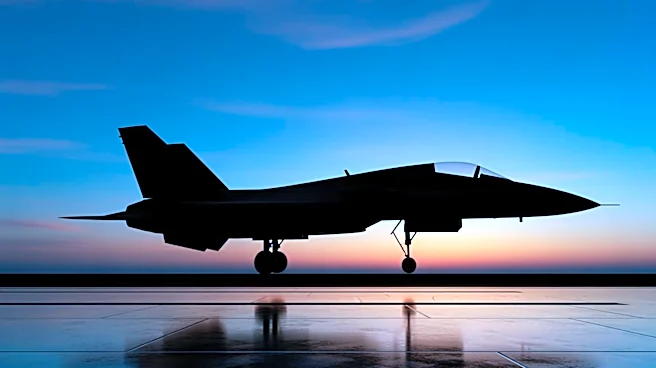
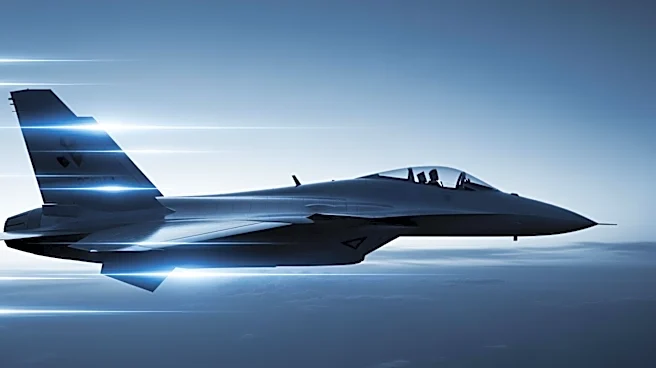
The U.S. Air Force has announced plans to more than double its fleet of F-15EX Eagle II aircraft, increasing the number from the previously planned 129 to 267. This expansion is part of the fiscal 2027 budget request, which includes a proposal for 24
additional Eagle IIs next year at an estimated cost of $3 billion. The initiative aims to complete the existing F-15EX units and begin replacing the aging F-15E fleet. The Air Force's future fighter force will consist of a mix of 4th, 5th, and next-generation fighters, maintaining readiness by modernizing older models like the F-16s, F-15s, and F-22s. The F-15EX is designed to complement, rather than compete with, the F-35A, offering unique capabilities such as carrying up to 12 air-to-air missiles and larger external munitions, which are crucial for homeland cruise missile defense and long-range Pacific strike missions.
Why It's Important?
This expansion of the F-15EX fleet underscores the U.S. Air Force's strategic focus on enhancing its combat capabilities in response to evolving global threats. The decision to bolster the fleet reflects a need for robust defense mechanisms, particularly in the Pacific theater, where tensions have been rising. The F-15EX's ability to carry a significant payload of missiles and munitions makes it a vital asset for maintaining air superiority and supporting long-range missions. This move also highlights the Air Force's commitment to modernizing its fleet while balancing fiscal constraints, ensuring that the U.S. remains prepared for potential conflicts. The plan's approval by Congress, which has historically supported F-15EX funding, will be crucial for its implementation.
What's Next?
The Air Force has not specified a timeline for reaching the 267 F-15EX target, but at the current procurement rate of approximately two dozen jets per year, the expansion could extend into the mid-2030s. The plan's success will depend on continued congressional support, particularly in light of past resistance to retiring older F-15E models. As the Air Force progresses with this expansion, it will also focus on integrating uncrewed Collaborative Combat Aircraft to enhance combat capabilities and cost-effectiveness. The ongoing modernization efforts will require careful management to ensure that the Air Force can meet its strategic objectives while navigating budgetary and operational challenges.