







What's Happening?
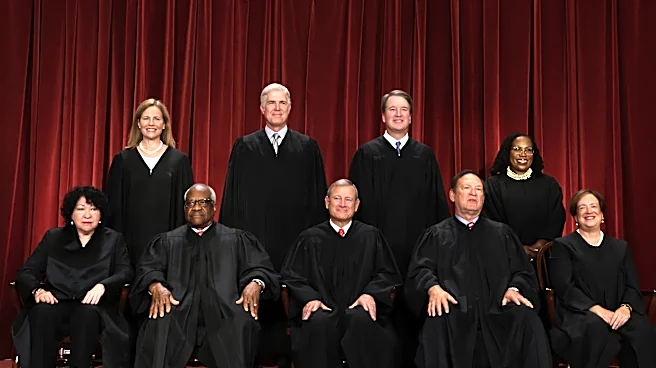
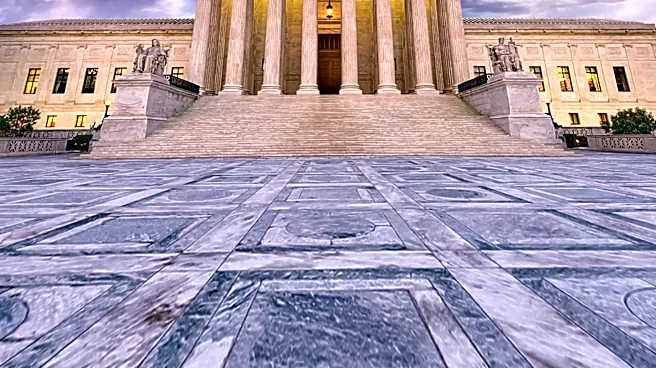
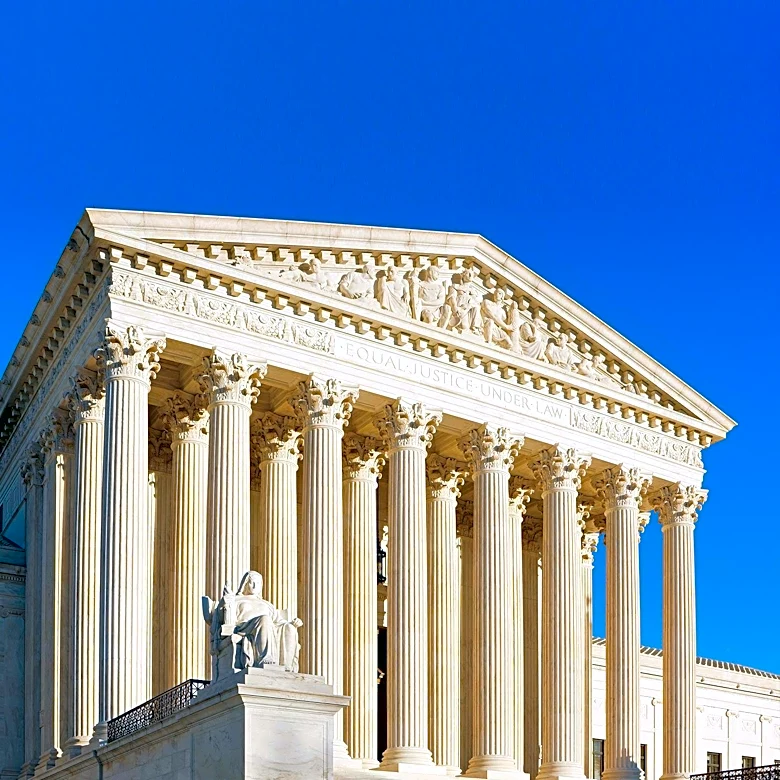
The U.S. Supreme Court ruled in favor of the Trump administration in a case concerning the government's authority over green card holders accused of crimes. The 6-3 decision involved Muk Choi Lau, a lawful permanent resident, who was placed on immigration
parole after being accused of a counterfeiting crime. The court determined that border officers did not need to prove by clear and convincing evidence that Lau committed a crime involving moral turpitude. Justice Clarence Thomas wrote the majority opinion, while Justice Ketanji Brown Jackson dissented, expressing concern over the potential for the government to revoke green cards more easily.
Why It's Important?
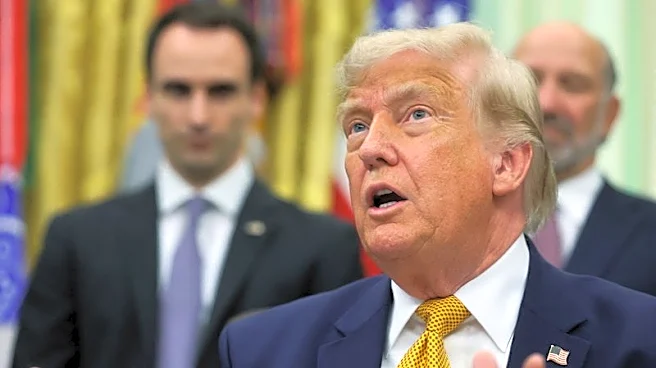
This ruling underscores the Supreme Court's support for the Trump administration's immigration policies, which have been characterized by a crackdown on immigration. The decision could have significant implications for green card holders, as it potentially broadens the government's power to place them on immigration parole based on suspicion of criminal activity. This could lead to increased deportations and affect the stability of lawful permanent residents in the U.S., raising concerns among immigrant advocacy groups about due process and the rights of non-citizens.
What's Next?
The decision may prompt further legal challenges and legislative efforts to clarify the rights of green card holders. Advocacy groups may push for reforms to ensure that lawful permanent residents are not placed in 'immigration limbo' without sufficient evidence of wrongdoing. The ruling could also influence future cases involving the balance of power between immigration enforcement and individual rights.