






What's Happening?
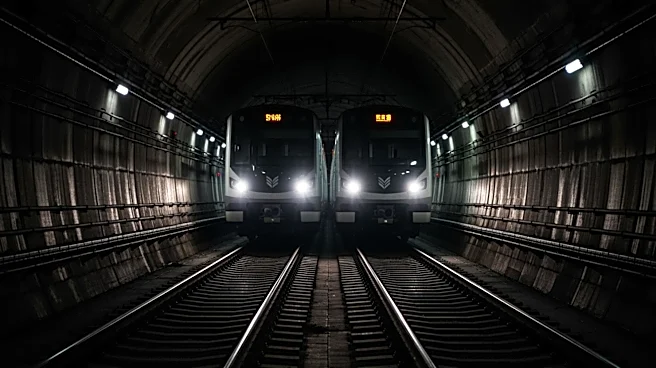
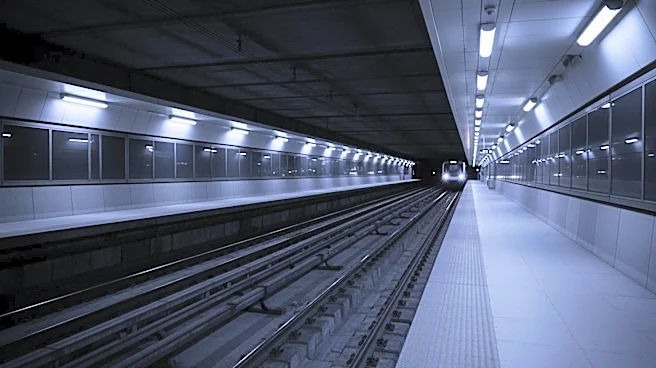
The Honolulu rail system, known as the Skyline, has reached a record ridership of nearly 13,000 passengers in April, driven by heavy highway congestion that encouraged more residents to opt for public transportation. This milestone coincides with the Honolulu Authority
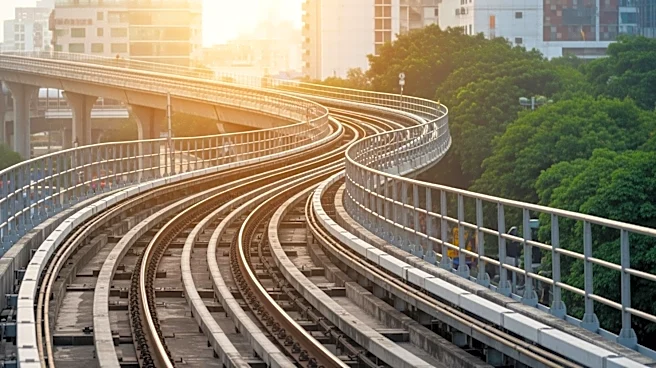
for Rapid Transportation (HART) marking a significant achievement in the expansion of the Skyline's Segment 3, which involves the construction of the first guideway column into Honolulu's urban core. Jon Nouchi, the director of transit under the city's Department of Transportation, expressed optimism about the potential of the Skyline to further alleviate traffic congestion and improve public transit options. The city is also conducting studies to explore the possibility of extending the rail network further across O‘ahu, although no funds have been allocated for such expansions yet.
Why It's Important?
The record ridership and ongoing expansion of the Skyline highlight the growing importance of public transportation in addressing urban congestion and providing sustainable transit solutions. As more residents turn to the rail system, it underscores the potential for public transit to reduce reliance on personal vehicles, thereby decreasing traffic and environmental impact. The expansion into Honolulu's urban core is a critical step in enhancing connectivity and accessibility for residents, potentially boosting local economies and improving quality of life. The success of the Skyline could serve as a model for other cities facing similar congestion challenges, emphasizing the need for investment in public transportation infrastructure.
What's Next?
Looking ahead, the Honolulu rail system's expansion plans include potential extensions to West O‘ahu and towards the University of Hawai‘i at Mānoa campus. While no funding has been secured for these projects, the city is preparing to be 'shovel ready' should future funding opportunities arise. The continued success and expansion of the Skyline will likely depend on securing financial support and maintaining public interest and ridership. Stakeholders, including city planners and transit authorities, will need to engage with the community and policymakers to ensure the rail system meets the evolving needs of O‘ahu's residents.