








What's Happening?
U.S. stock futures indicate a decline as oil prices surge following President Trump's declaration that the ceasefire with Iran is 'over.' This announcement comes after Iran's attacks on tankers in the Strait of Hormuz and subsequent U.S. military strikes.
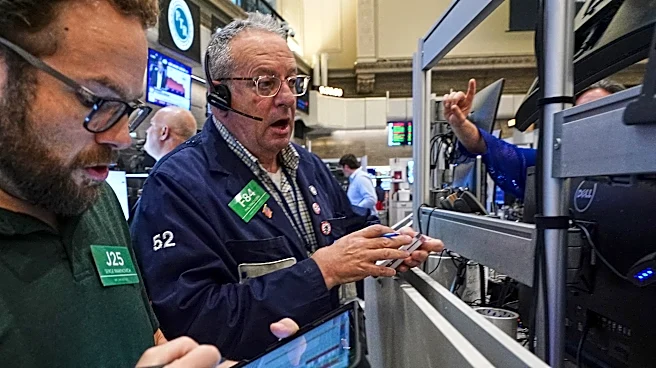
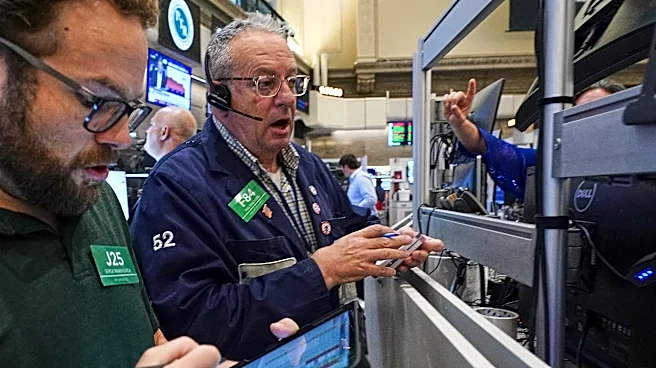
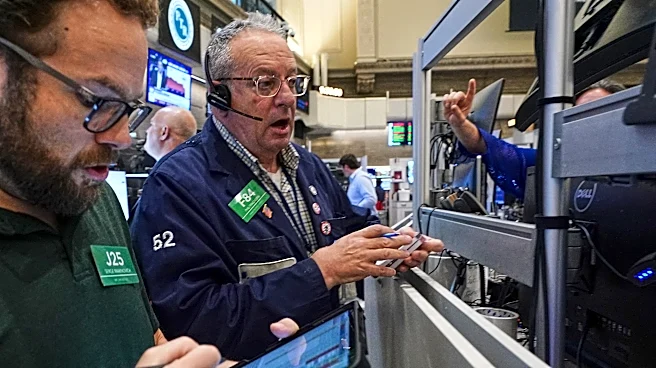
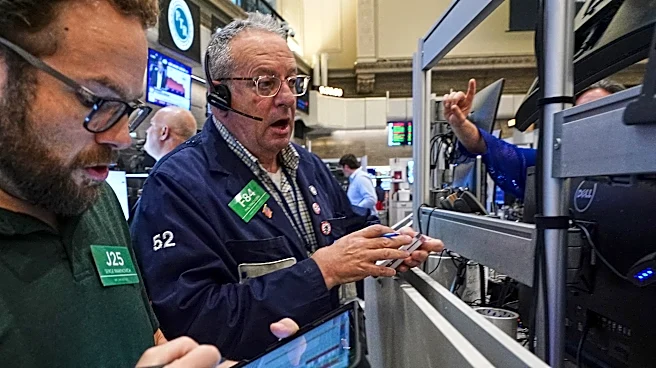
Brent crude oil prices have risen by 6.3%, while West Texas Intermediate has increased by 6.4%. The Dow Jones Industrial Average futures are down by 527 points, reflecting market concerns over the potential impact of renewed hostilities on global oil supply and economic stability.
Why It's Important?
The escalation in U.S.-Iran tensions poses significant risks to global oil supply, particularly through the Strait of Hormuz, a critical maritime route. Higher oil prices could lead to increased transportation and production costs, affecting inflation and economic growth. The Federal Reserve may face pressure to maintain higher interest rates to manage inflationary pressures. Additionally, the geopolitical instability could influence U.S. domestic politics, including the upcoming midterm elections, as economic conditions become a central issue.
What's Next?
The potential for further military actions and diplomatic responses will be crucial in shaping the conflict's trajectory. The U.S. administration's strategy in dealing with Iran and its impact on international relations will be closely scrutinized. Investors and policymakers will need to navigate the economic implications of sustained high oil prices and geopolitical uncertainty. The Federal Reserve's monetary policy decisions will also be influenced by these developments, as they balance inflation control with economic growth.