




What's Happening?
Level 3 Agriculture Apprentices from the College of Agriculture, Food and Rural Enterprise (CAFRE) recently completed a study tour across the Republic of Ireland. The tour aimed to provide students with insights into best practices in beef and dairy production,
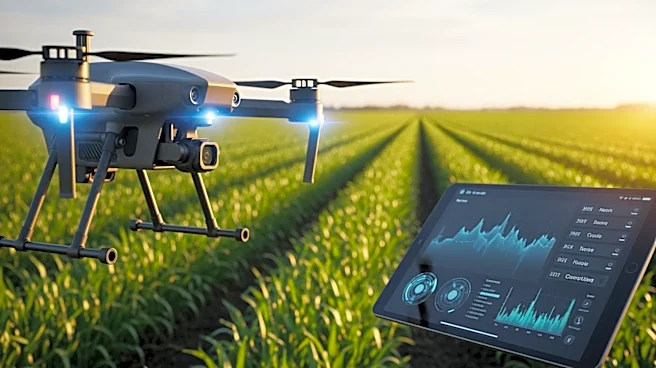
calf rearing, genetics, and technology-led farming systems. The apprentices visited several farms, including Tateetra & Rathmore Farms, Cows.ie, and Meade’s Dairy Farm, where they learned about innovative farming techniques, animal welfare standards, and data-driven decision-making. The tour emphasized the importance of precision, consistency, and innovation in achieving financial sustainability and strong sale performance in agriculture.
Why It's Important?
This study tour is significant as it equips future agricultural professionals with the knowledge and skills necessary to address modern challenges in farming. By exposing apprentices to advanced farming techniques and technologies, the tour helps prepare them for a career in an industry that is increasingly reliant on innovation and data. The emphasis on animal welfare and sustainable practices also aligns with growing consumer demand for ethically produced food. This initiative supports the development of a skilled workforce capable of driving the agricultural sector towards more sustainable and efficient practices, which is crucial for the industry's long-term viability.
What's Next?
Following the study tour, CAFRE plans to continue offering similar educational opportunities to its students, supported by financial contributions from organizations like The Gibson Trust. These experiences are intended to enhance the apprentices' education and prepare them for successful careers in agriculture. CAFRE will also be present at the Balmoral Show, where prospective students can learn more about the courses and career pathways available in agriculture. The institution remains committed to integrating technology and data into its curriculum to ensure that students are well-prepared for the evolving demands of the agricultural industry.