





What's Happening?
The United States and Iran are advancing negotiations to extend a fragile ceasefire, despite ongoing tensions in the Strait of Hormuz that continue to disrupt global oil flows. The two nations have reached an 'in principle' agreement to pursue further
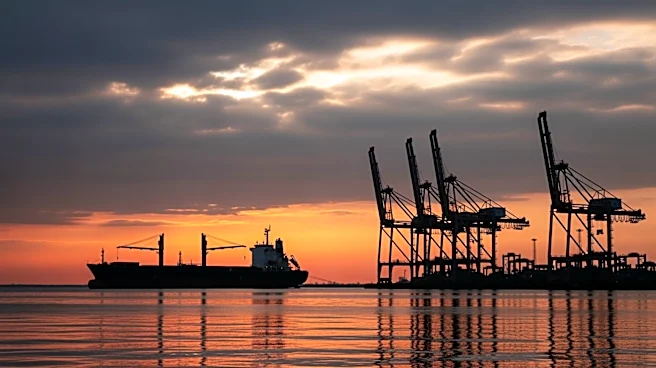
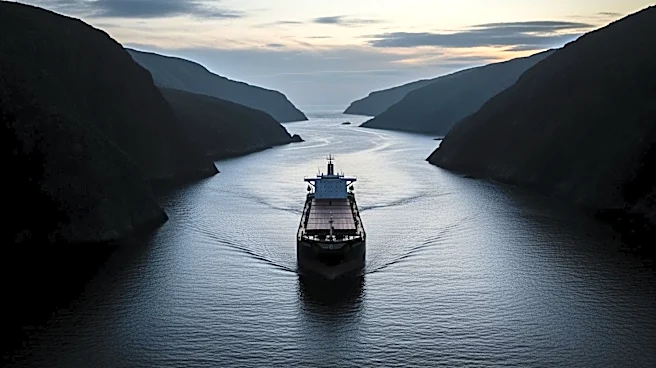
diplomacy, focusing on Iran's nuclear program and the Hormuz standoff. The Strait of Hormuz, a critical shipping lane for global oil and LNG supplies, remains largely closed, causing significant supply disruptions. Tanker movements are constrained, with some vessels rerouted, highlighting logistical challenges. Oil prices remain elevated, with Brent crude trading just under $96 per barrel, reflecting concerns over supply availability and transport risks. The situation has also led to physical damage across Gulf energy infrastructure, complicating efforts to restore normal export flows.
Why It's Important?
The ongoing standoff in the Strait of Hormuz has significant implications for global oil markets, as the strait is a vital passage for a substantial portion of the world's oil supply. The disruption has led to increased oil prices, affecting economies worldwide. The negotiations between the U.S. and Iran are crucial for stabilizing the region and ensuring the free flow of oil, which is essential for global economic stability. The outcome of these talks could influence global supply balances and price stability, impacting industries and consumers dependent on oil. The situation also underscores the geopolitical tensions in the region, with potential consequences for international relations and energy security.
What's Next?
The upcoming negotiations between the U.S. and Iran will be closely monitored by global markets, as any resolution or escalation could have direct implications for oil supply and prices. U.S. officials have indicated that the conflict may be nearing an end, but Iranian officials warn that continued enforcement of the blockade could undermine the ceasefire. The fragile nature of the negotiations suggests that stakeholders, including political leaders and businesses, will need to prepare for various outcomes. A resolution could lead to a normalization of supply chains, while an escalation could further disrupt global oil markets.