







What's Happening?
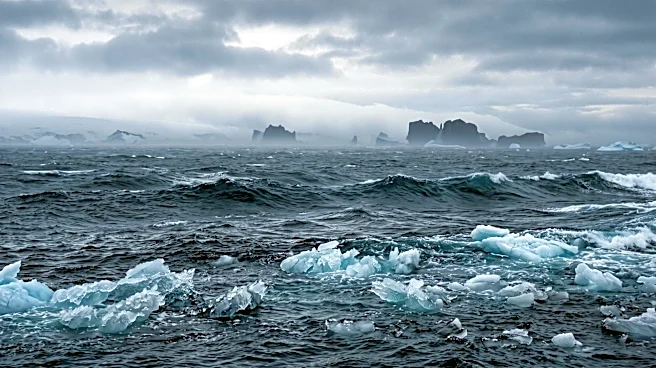
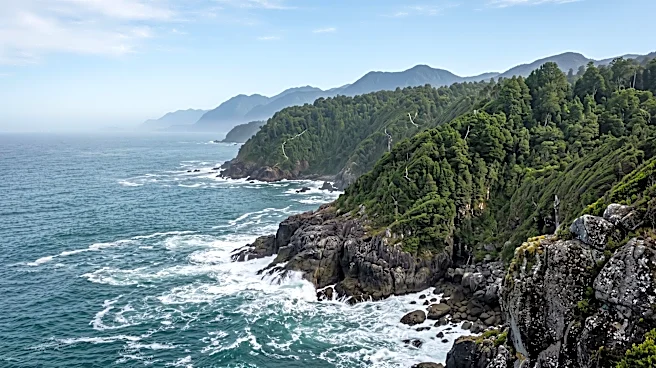
Reynolds Henderson, an American businessman and grandson of former President Jimmy Carter, is selling San Pedro Island, a 6,000-hectare property in the southern part of the Chiloé archipelago in Chile. The asking price is approximately $12 million. Henderson, along
with a group of investors, aims for the sale to be for conservation purposes, meaning the buyer would dedicate the island to protecting its natural environment. The island is located opposite Tantauco Park, which is managed by the Tantauco Foundation, linked to the family of former Chilean President Sebastián Piñera. The mayor of Quellón, Claudio Barudy, expressed support for sales with conservation objectives but also noted concerns about foreign ownership of national lands. Henderson is a partner at Continental Pacific LLC, an investment and real estate development company with projects in South America and the U.S. The island features a road network, hiking trails, beaches, and a tourist lodge.
Why It's Important?
This sale highlights a growing trend in the international real estate market, particularly in regions like Patagonia, where large land parcels, especially islands, are being acquired for environmental conservation. The involvement of a prominent American figure like Reynolds Henderson, grandson of President Jimmy Carter, underscores the increasing interest from U.S. and international investors in ecological preservation efforts abroad. This trend can bring significant capital and resources to conservation projects, potentially safeguarding unique ecosystems and biodiversity. However, it also raises questions about foreign ownership of national territories and the balance between environmental protection and national sovereignty, as voiced by local officials. The transaction could set a precedent for future large-scale conservation deals, influencing land use policies and investment patterns in environmentally sensitive areas globally.
What's Next?
The sale of San Pedro Island is expected to proceed with a focus on finding a buyer committed to environmental conservation. The current market trend suggests a strong interest from investors in acquiring large tracts of land for ecological protection, particularly in the Patagonian region. This could lead to increased investment in conservation infrastructure and scientific research on the island. Local authorities and environmental groups will likely monitor the sale process and the subsequent management of the island to ensure that conservation goals are met and that the interests of the local community are considered. The transaction may also encourage other landowners in the region to consider similar sales for conservation, further expanding the market for protected areas. The long-term impact will depend on the specific conservation plan implemented by the new owner.
Beyond the Headlines
The sale of San Pedro Island by Reynolds Henderson touches upon deeper ethical and geopolitical considerations regarding global land ownership and environmental stewardship. While the stated goal is conservation, the transfer of vast natural territories to foreign entities, even for benevolent purposes, can spark debates about national heritage, resource control, and the potential for 'green colonialism.' It highlights a global disparity where wealthy individuals and organizations from developed nations acquire significant ecological assets in developing countries. This trend, while beneficial for conservation, can also raise questions about equitable access to land, the economic implications for local populations, and the long-term sovereignty over natural resources. The transaction underscores the complex interplay between private wealth, environmentalism, and international relations in an era of increasing climate awareness and globalized markets.