





What's Happening?
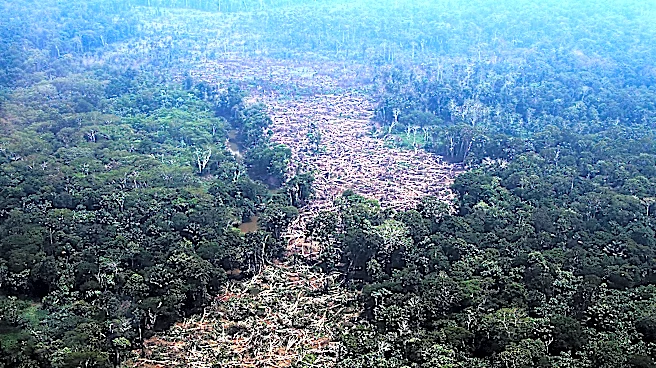
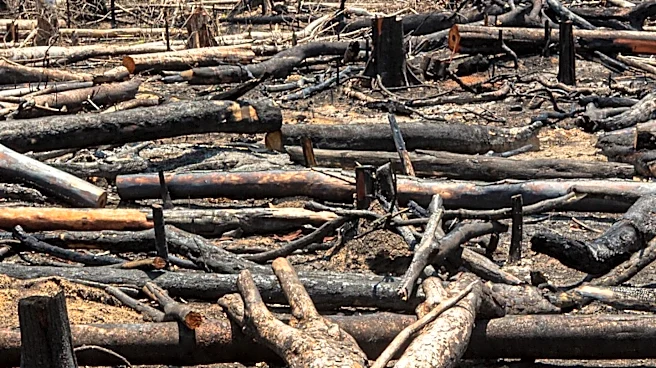
The Amazon rainforest is approaching a critical 'tipping point' where extensive deforestation and climate change could lead to irreversible changes, transforming parts of the dense, humid forest into a drier ecosystem. Forest degradation, caused by wildfires,
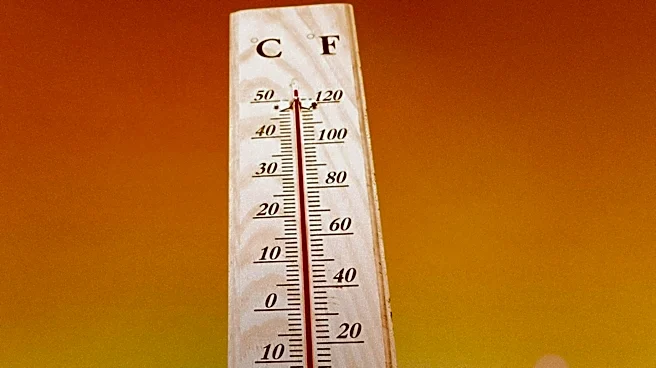
logging, and drought, currently impacts approximately 40% of the Amazon and has outpaced clear-cutting in recent years. Climate scientist Carlos Nobre notes that the southern Amazon is particularly vulnerable, experiencing dry seasons that are four to five weeks longer, conditions 20% to 30% drier, and temperatures two to three degrees Celsius higher. Research suggests that losing over 20% of the forest, combined with a global warming of around 2 degrees Celsius since the early 1800s, could trigger widespread changes. Currently, about 17% of the Amazon has been cleared, and the temperature rise is approximately 1.4 degrees Celsius. A 2024 study indicated that 10% to 47% of the Amazon could face multiple threats by 2050.
Why It's Important?
The potential collapse of the Amazon rainforest carries significant global implications, particularly for climate regulation and biodiversity. The Amazon absorbs massive amounts of carbon dioxide, a critical greenhouse gas. If parts of the forest lose their ability to recover from disturbances and transition to a drier ecosystem, it would release substantial amounts of stored carbon, accelerating global warming. Research by Luciana Gatti indicates that the Amazon released an annual average of 1.17 billion metric tons more carbon dioxide than it absorbed from 2010 through 2024, with fires exacerbated by climate change being the primary source. This shift would undermine international efforts to combat climate change and could lead to a self-reinforcing cycle of environmental degradation. The loss of biodiversity in such a critical ecosystem would also be profound, impacting countless species and potentially disrupting global ecological balances.
What's Next?
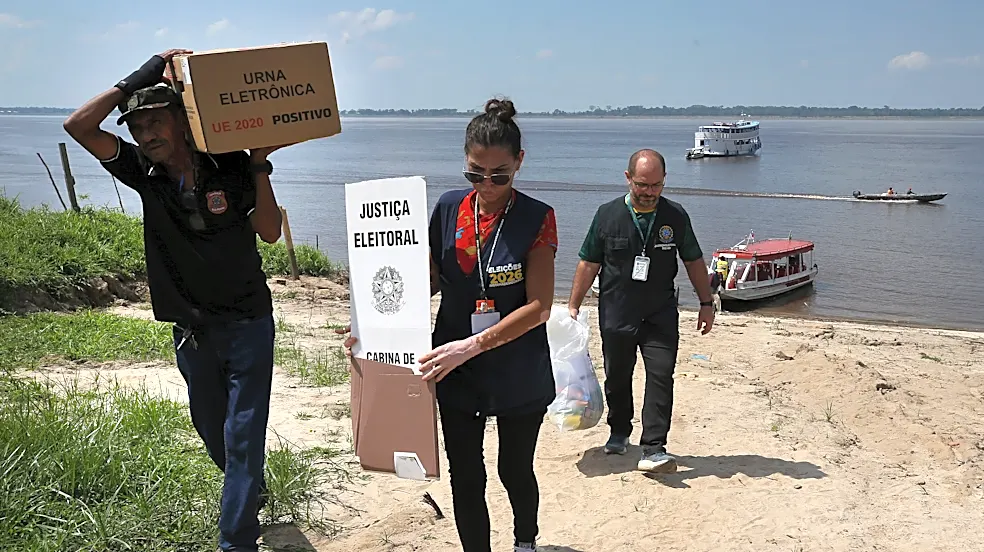
Preventing further damage to the Amazon requires sustained cuts in greenhouse gas emissions and the implementation of economic alternatives to deforestation, primarily driven by cattle ranching and farming. Experts like Carlos Nobre emphasize the necessity of achieving 'zero deforestation, forest degradation, and fires.' Brazil's 'Arc of Restoration' initiative, launched at the U.N. climate talks in 2023, aims to replant and foster agroforestry practices to restore 24 million hectares in the southern Brazilian Amazon by 2050. The success of such initiatives heavily depends on political will and international cooperation. The upcoming elections in Brazil could significantly influence the future of these policies, as different administrations may prioritize environmental protection or economic development differently. Continued scientific monitoring and research, such as that conducted by the Amazon Tall Tower Observatory (ATTO), will be crucial for understanding the Amazon's resilience and guiding conservation efforts.
Beyond the Headlines
The Amazon's proximity to a tipping point highlights a broader ethical and economic dilemma: balancing immediate economic needs with long-term environmental sustainability. The leading drivers of deforestation—cattle ranching and farming—are deeply embedded in regional economies, making policy changes complex and often contentious. The concept of a 'tipping point' itself underscores the non-linear nature of environmental degradation, where gradual changes can lead to sudden, catastrophic shifts. This situation also raises questions about global responsibility, as the Amazon's health affects the entire planet, yet its management falls primarily to Brazil and other South American nations. The struggle to protect the Amazon is a microcosm of the global challenge to address climate change, requiring innovative solutions that integrate ecological preservation with sustainable economic development and social equity for local communities.