




What's Happening?
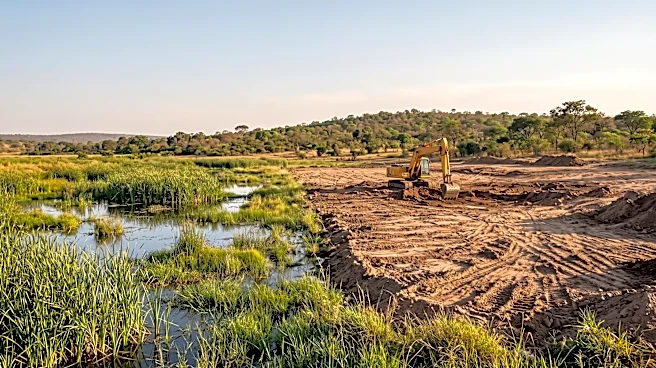
Over 452 residents in Glen Lorne, Zimbabwe, have formally appealed to President Emmerson Mnangagwa to intervene in a proposed housing development on Lytham Road. The residents are concerned that continued construction on Stand 4717, an environmentally
sensitive wetland, threatens the area's water security, waterways, and overall environmental integrity. They have objected to the development and are demanding an immediate halt to all works until an independent assessment of the project's environmental and legal implications can be conducted. Concerns raised include extensive clearing of vegetation, earthworks, boreholes, alterations to a dam and watercourse, and the potential impact on the wetland's natural function as a water storage and filtration system. Despite previous objections and appeals to local authorities, construction activities have reportedly continued on the site. The residents have also urged National Housing and Social Amenities Minister Daniel Garwe and Harare Mayor Jacob Mafume to personally inspect the site, questioning the accuracy of reports they may have received from officials.
Why It's Important?
This situation highlights a critical conflict between urban development and environmental preservation, particularly concerning vital natural resources like wetlands. The residents' appeal underscores the growing public awareness and concern over environmental degradation and its long-term consequences, such as water insecurity. If the development proceeds without proper environmental assessment, it could set a precedent for similar projects in other sensitive ecological areas, potentially undermining environmental protection laws and community rights. The involvement of high-level government officials like President Mnangagwa and relevant ministers indicates the significant public pressure and the potential for this issue to influence future urban planning and environmental policy decisions. The outcome will demonstrate the government's commitment to balancing economic development with environmental sustainability and community well-being.
What's Next?
The immediate next step involves President Mnangagwa's response to the residents' urgent appeal. The residents are calling for an immediate cessation of all construction activities, an independent inspection of the site, and an investigation into the reported alterations to the dam, watercourse, and environmental damage. The National Housing and Social Amenities Minister Daniel Garwe and Harare Mayor Jacob Mafume have also been urged to conduct personal site visits to verify the situation on the ground. Depending on the presidential intervention and the findings of any subsequent investigations, the project could either be halted, modified, or allowed to proceed. This situation may also prompt a review of existing environmental impact assessment processes and urban planning regulations to prevent similar disputes in the future. The residents have indicated their resolve to continue advocating for responsible development and adherence to environmental laws.
Beyond the Headlines
This dispute transcends a simple disagreement over a housing project; it touches upon fundamental questions of governance, accountability, and the prioritization of natural resources in the face of urban expansion. The residents' argument that private property rights do not override environmental law, planning law, water security, or community rights reflects a broader societal shift towards demanding more responsible and sustainable development practices. The case could become a benchmark for how community objections are weighed against development interests and how environmental regulations are enforced. Furthermore, the reliance on Google Maps imagery by residents to highlight environmental changes points to the increasing role of technology in citizen oversight and environmental activism. The long-term implications could include strengthened environmental protection policies, greater transparency in development approvals, and increased community participation in urban planning decisions across Zimbabwe.