




What's Happening?
The Federal Aviation Administration (FAA) has lifted a nationwide ground stop that was implemented earlier today. During the ground stop, pilots in the air had to navigate the situation with limited information. John Cox, a former commercial airline pilot and
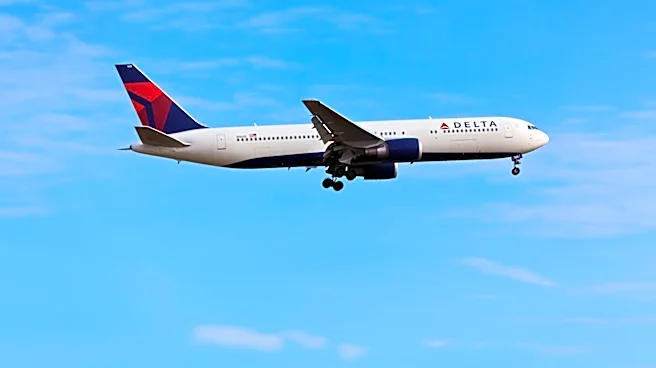
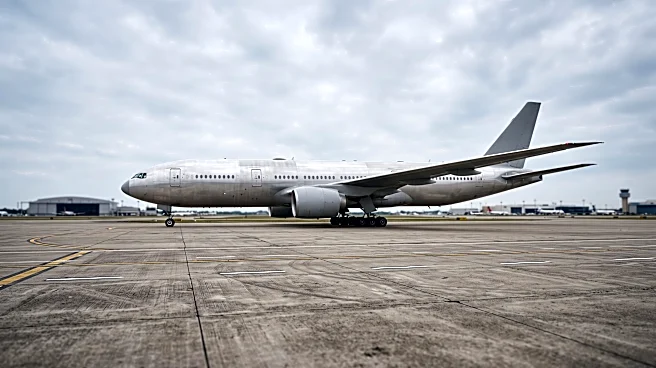
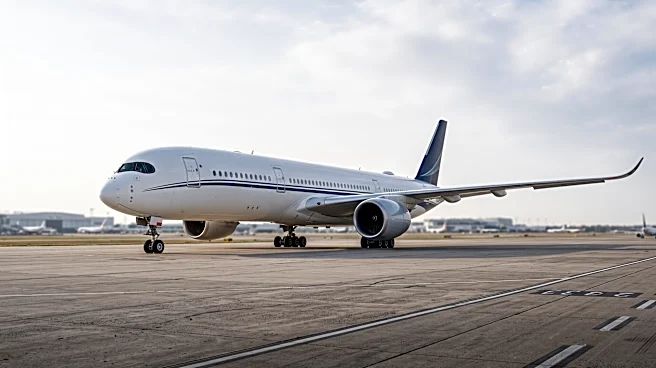
aviation safety expert, explained that pilots prioritize communication through backup frequencies and data link capabilities like ACARS or CPDLC to gather necessary information. Unlike the events of 9/11, the FAA allowed en route aircraft to continue to their destinations, with some amendments for airborne holding at major congested airports. This decision suggests that the FAA was not concerned about security but rather the logistical challenge of managing a massive number of aircraft landing safely at airports with limited ground space. Airports like O'Hare and Reagan National were reported to be short on ground space due to the lack of departures.
Why It's Important?
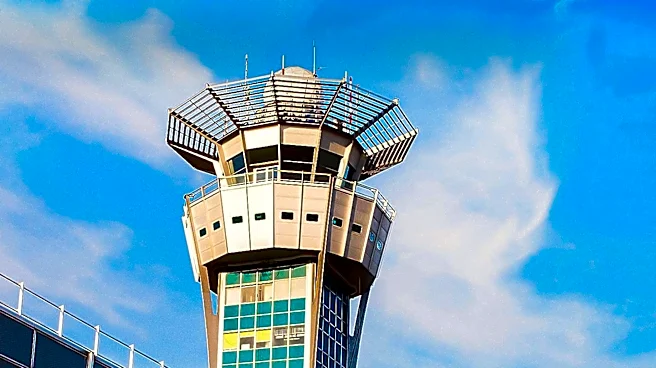
This incident highlights the critical reliance of the U.S. air travel system on robust and resilient air traffic control infrastructure. A nationwide ground stop, even if temporary, can cause significant disruptions to travel, commerce, and supply chains across the country. The FAA's decision to allow airborne flights to continue to their destinations, rather than forcing immediate landings, indicates a strategic approach to managing the crisis, prioritizing safety while minimizing further chaos. However, the resulting ground space shortages at major airports underscore the systemic challenges in handling such large-scale disruptions. The event also brings to light the complex communication protocols and redundancies built into the aviation system, which pilots leverage to maintain safety during unforeseen circumstances. The economic impact of such a ground stop, even for a few hours, can be substantial, affecting airlines, passengers, and businesses dependent on air cargo.
What's Next?
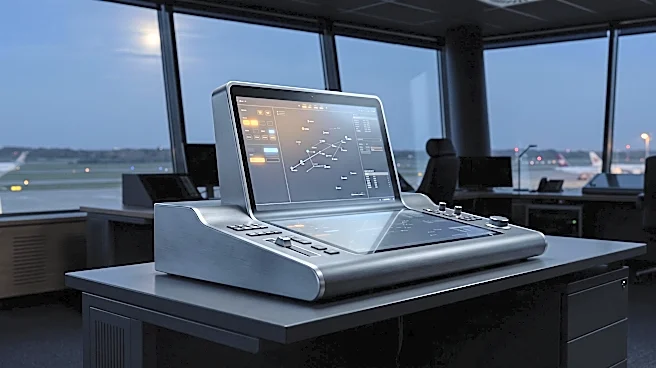
Investigators will focus on identifying the commonality among the en route traffic control centers to understand how a single problem could proliferate across different centers, as the system is designed to prevent single-point failures. Questions will be raised regarding the origin of the issue, how it spread, and whether any new systems were recently implemented. The FAA command center's decision-making process during the incident will also be reviewed as a 'lessons learned' exercise. The most crucial next step will be to determine how to restore the system to full operational integrity and implement measures to prevent similar occurrences in the future. This will likely involve a thorough investigation into the technical and procedural aspects of the air traffic control system.
Beyond the Headlines
The incident raises broader questions about the resilience of critical national infrastructure in the face of unexpected failures. The cascading effect observed in the air traffic control system suggests potential vulnerabilities that could have far-reaching implications beyond aviation. It also underscores the human element in crisis management, as pilots and air traffic controllers must adapt and utilize backup systems under immense pressure. The public's perception of air travel safety could be influenced by such events, potentially leading to increased scrutiny of aviation technology and protocols. Furthermore, the incident could prompt discussions about investment in modernizing air traffic control systems to enhance their robustness and prevent future disruptions, considering the ever-increasing volume of air traffic.