





What's Happening?
A major ethanol refinery, Alto Pekin, LLC, located on the Illinois River near Peoria, has been ordered to fund wetland restoration efforts as part of a settlement in an eight-year legal dispute. The lawsuit, initiated by the Illinois Attorney General's
Office at the request of the Illinois Environmental Protection Agency (IEPA), alleged that the plant discharged water up to 40 degrees hotter than permitted, threatening aquatic life. The consent order, filed on August 13, requires Alto Pekin to pay a $75,000 civil penalty to the state's Environmental Protection Trust Fund and finance a $125,000 wetland restoration project at the Emiquon National Wildlife Refuge. This project, managed by Ducks Unlimited, will restore natural flood pulses across 320 acres of wetlands by the end of November next year by replacing a water control structure.
Why It's Important?
This settlement is significant for environmental protection in Illinois, particularly for the health of the Illinois River ecosystem. The restoration project at Emiquon National Wildlife Refuge will help mitigate the ecological damage caused by thermal pollution and improve habitat for aquatic life and migratory birds. The case also highlights the ongoing efforts by state agencies and environmental non-profits, such as the Prairie Rivers Network and Sierra Club, to enforce environmental laws and protect natural resources. Illinois Attorney General Kwame Raoul emphasized the importance of this agreement in safeguarding the Illinois River. The settlement also serves as a reminder of the environmental impact of industrial operations, even those producing 'green' energy like ethanol, and the necessity of stringent regulatory oversight to ensure compliance with environmental standards.
What's Next?
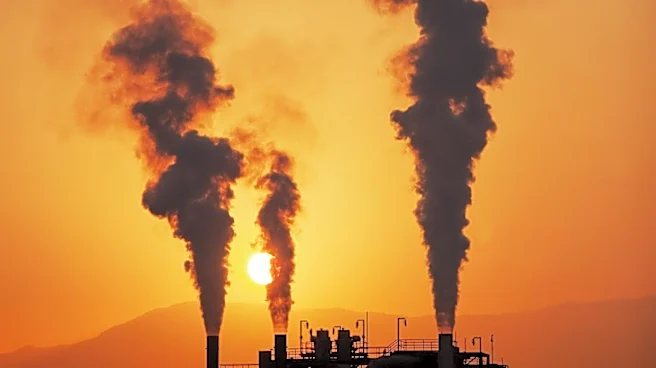
Alto Pekin, LLC will proceed with the payment of the $75,000 civil penalty and the funding of the $125,000 wetland restoration project at Emiquon National Wildlife Refuge. Ducks Unlimited will manage the restoration project, which is expected to be completed by the end of November next year. This will involve replacing a water control structure to re-establish natural flood pulses crucial for the wetland ecosystem. Environmental groups like Prairie Rivers Network, while acknowledging the settlement, have indicated that it addresses water claims but not the facility's overall pollution problem, suggesting potential future scrutiny of the plant's air pollution emissions, which reportedly include hazardous gases. This settlement could also encourage other states to pursue similar enforcement actions against facilities with environmental violations.
Beyond the Headlines
The case against Alto Pekin, LLC, and the subsequent settlement, underscore a broader debate about the environmental footprint of the ethanol industry. While often promoted as a clean, homegrown energy source, the industry faces criticism regarding its pollution record, including air pollution from hazardous gases. A 2024 report by the Environmental Integrity Project found that over 40% of U.S. biofuel plants violated air pollution permits between 2021 and 2024, with Illinois ethanol plants releasing millions of pounds of hazardous air pollutants. This raises ethical questions about the true cost of biofuel production and whether communities are trading clean water and air for an industry supported by public mandates and subsidies. The settlement, therefore, is not just about one plant's violations but reflects a systemic challenge in regulating an industry with significant environmental impacts.