



What's Happening?
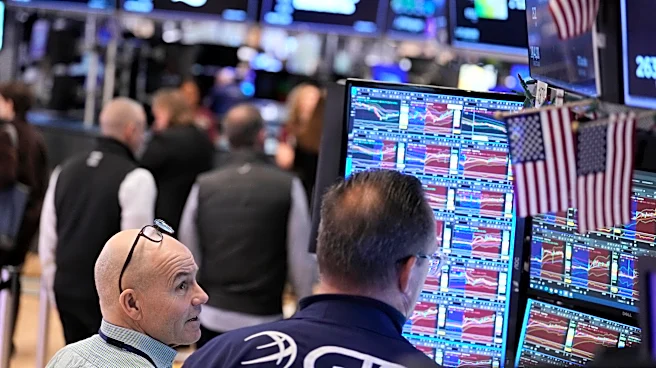
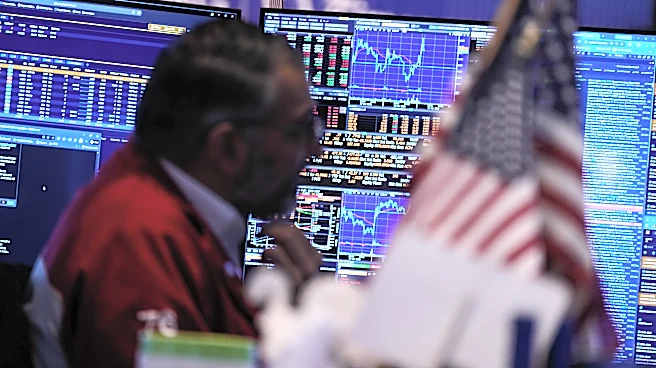
Representative Ritchie Torres, a Democrat from New York, has called for a federal investigation into suspicious trading activities in the oil and equity futures markets. These trades occurred just before President Trump announced a five-day pause in hostilities
against Iran in March. Torres sent a letter to the Securities and Exchange Commission (SEC) and the Commodity Futures Trading Commission (CFTC), highlighting a surge in trading volume predicting a decline in oil prices and a rebound in equity markets immediately before Trump's announcement. Torres suspects insider trading, citing the timing and scale of the trades as statistically improbable without insider knowledge. This is not the first time Torres has raised concerns about potential insider trading related to Trump administration actions, having introduced legislation earlier this year to prevent federal officials from trading on nonpublic information.
Why It's Important?
The call for an investigation by Rep. Torres underscores ongoing concerns about the integrity of financial markets and the potential for insider trading. If proven, these allegations could represent one of the largest instances of insider trading in history, potentially undermining public trust in market regulators like the SEC and CFTC. The situation highlights the need for robust oversight and accountability in financial markets, especially concerning trades that may be influenced by government actions. The outcome of any investigation could have significant implications for market regulation and the enforcement of trading laws, potentially leading to stricter controls and transparency requirements for futures markets.
What's Next?
The SEC and CFTC have yet to respond to Torres's request for an investigation. Should they decide to pursue the matter, it could lead to a comprehensive review of trading records and possibly legal action against those involved in the suspicious trades. Torres's legislation, aimed at preventing insider trading by federal officials, faces challenges in the Republican-controlled House but could gain traction if the investigation reveals significant wrongdoing. The broader political and regulatory landscape may shift as lawmakers and regulators address these concerns, potentially leading to new policies or reforms in market oversight.