




What's Happening?
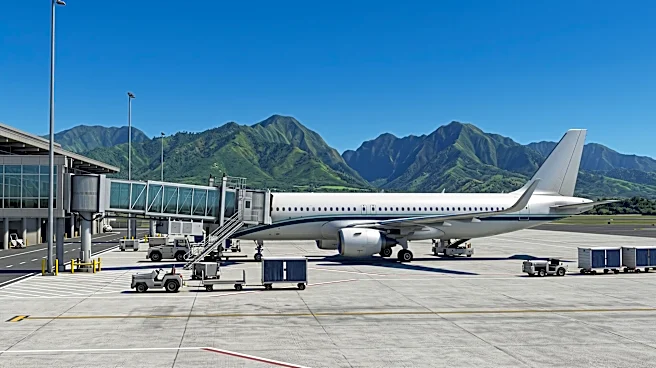
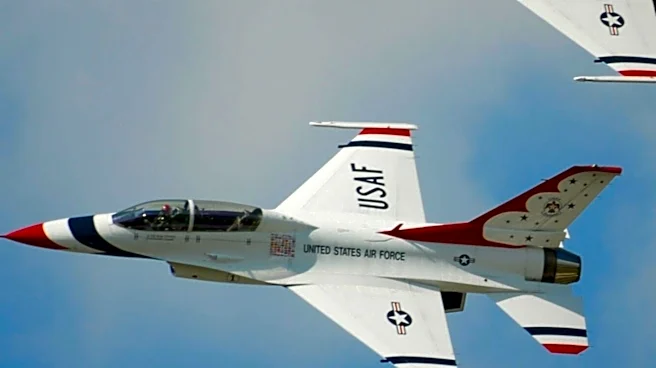
The first two F-16 Block 70 fighters, purchased by Taiwan from the United States, have been delayed at Pearl Harbor–Hickam base in Hawaii for over two weeks. These aircraft, single-seat F-16Cs with tail numbers 6727 and 6728, arrived in Hawaii on August
21 from the continental U.S., supported by KC-135 tanker aircraft. They were expected to reach Taiwan's Zhihang Air Base by the end of August. On Monday, the fighters were seen preparing for departure but returned to the parking area, marking another aborted attempt. Neither the U.S. nor Taiwan's Air Force has publicly disclosed the reason for the delay or a new arrival date, though local media suggest 'minor problems' and adverse weather as possible factors.
Why It's Important?
This delay in the delivery of F-16 Block 70 fighters to Taiwan is significant for U.S. foreign policy and regional stability in the Indo-Pacific. The sale of these advanced aircraft is a cornerstone of U.S. support for Taiwan's self-defense capabilities, a critical component of deterring potential aggression in the region. Delays, regardless of cause, can create uncertainty and may be perceived as a setback in the U.S.'s commitment to its allies, potentially impacting regional power dynamics. For the U.S. defense industry, particularly Lockheed Martin, ensuring timely and successful deliveries is crucial for maintaining its reputation and fulfilling contractual obligations. The incident also highlights the logistical complexities and challenges involved in transferring sophisticated military hardware across vast distances, especially when factoring in technical checks and environmental conditions.
What's Next?
The U.S. and Taiwan are expected to continue working to resolve the issues causing the delay in the F-16 deliveries. Both sides will likely aim to expedite the process, given the strategic importance of these aircraft to Taiwan's defense. Official statements regarding the specific reasons for the delay and a revised delivery schedule are anticipated. This situation may lead to increased scrutiny of the F-16 Block 70 production and delivery process, potentially influencing future foreign military sales. The incident could also prompt a review of logistical planning for long-distance military aircraft transfers to minimize such delays in the future. The successful arrival of these fighters in Taiwan remains a key indicator of the U.S.'s commitment to its defense partnership.
Beyond the Headlines
Beyond the immediate logistical challenges, this delay subtly underscores the geopolitical sensitivities surrounding U.S. arms sales to Taiwan. Each step in the process, from production to delivery, is closely watched by regional and global actors. The 'minor problems' cited by local media, even if technical, can be amplified in a high-stakes environment, potentially fueling speculation or misinterpretations about the readiness or capabilities of the aircraft, or the commitment of the U.S. The incident also highlights the intricate coordination required for such transfers, involving multiple military branches, contractors, and international partners. It serves as a reminder that even routine military operations can have significant diplomatic and strategic implications, particularly in contested regions where every action is scrutinized for its broader message.