






What's Happening?
Jeffrey Bellin, Lee S. and Charles A. Speir Chair in Law at Vanderbilt Law School, argues that the existing rules of evidence have a gap regarding artificial intelligence (AI) generated statements. In his forthcoming Harvard Law Review article, 'Evidence
Law’s AI Problem and the Hearsay Solution,' Bellin proposes a single amendment to Federal Rule of Evidence 801: '“Person,” as used in this rule, includes artificial intelligence.' This change would bring AI-generated statements under the hearsay rule, allowing courts to use an established framework to assess the reliability of AI evidence. Currently, the hearsay rule only applies to statements made by a 'person,' leaving AI outputs unscreened for reliability when presented by a non-expert witness. Bellin contends that previous attempts to route AI evidence through expert rules have stalled and are ill-suited for evidence encountered by ordinary people, often leading to increased complexity and expense in litigation.
Why It's Important?
This proposal is highly significant for the U.S. legal system, as it addresses a critical and growing challenge in the admissibility of AI-generated evidence. As AI tools become more prevalent, their outputs, such as those from self-driving cars or diagnostic systems, are increasingly likely to appear in court. Without a clear framework, unreliable AI evidence could be introduced, potentially leading to unjust outcomes. Bellin's approach offers a less disruptive solution by leveraging the existing hearsay framework, which is designed to police evidence for reliability. This could streamline the process of evaluating AI evidence, making it more accessible and less costly than relying solely on expert testimony. The ability to differentiate between admissible and inadmissible AI evidence is crucial for maintaining fairness and efficiency in American trials, impacting litigants, legal professionals, and the integrity of judicial proceedings.
What's Next?
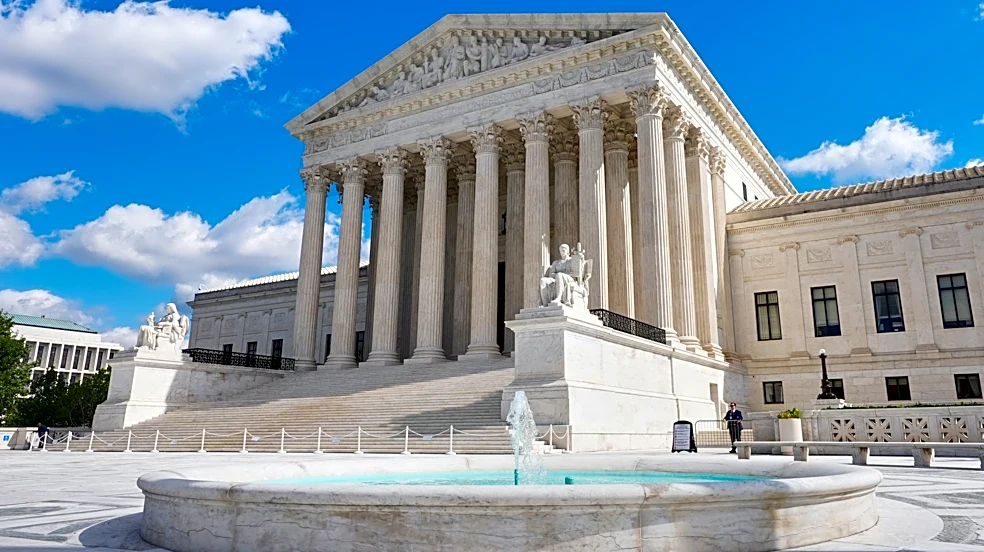
Bellin's proposal, if adopted, would require a formal amendment to the Federal Rules of Evidence. This process typically involves review and approval by the Judicial Conference of the United States and ultimately by the U.S. Supreme Court, followed by congressional review. While this is a lengthy process, the article's publication in the Harvard Law Review will likely spark further discussion and debate among legal scholars, judges, and policymakers. If the amendment is considered, it could lead to a more consistent and predictable approach to AI evidence across federal courts. State courts, which often follow federal rules, might also consider similar amendments. The legal community will be closely watching how this proposal influences the ongoing efforts to adapt evidence law to the rapid advancements in artificial intelligence.
Beyond the Headlines
Beyond the procedural aspects, Bellin's argument delves into the fundamental nature of 'testimony' and 'statements' in a world where machines can generate information that mimics human communication. By including AI within the definition of 'person' for hearsay purposes, the proposal implicitly acknowledges AI's growing role as an information source, even if it lacks consciousness or intent. This raises deeper philosophical questions about legal personhood and the boundaries of accountability in an AI-driven society. The ability to cross-examine a human witness is a cornerstone of the adversarial system, and while AI cannot be cross-examined, Bellin argues that the hearsay exceptions already provide mechanisms for admitting reliable out-of-court statements. This approach could pave the way for a more nuanced understanding of AI's role in legal contexts, influencing not only evidence law but also broader discussions about AI's ethical and societal implications.