





What's Happening?
The Utah Wildlife Board has approved 450 additional antlerless elk permits for the 2026 hunting season in response to extreme drought conditions. These permits are intended to help manage elk populations in areas with limited feed, thereby reducing pressure
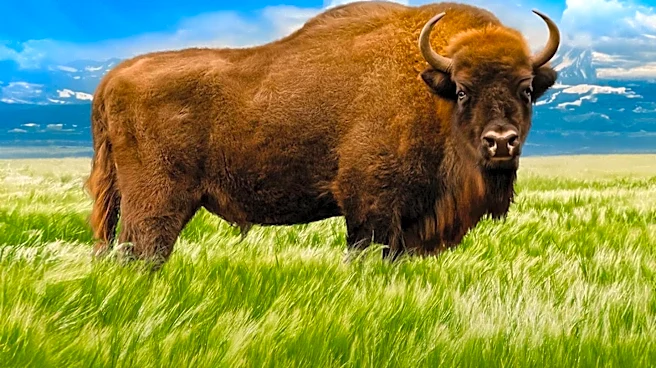
and competition for forage. The additional permits will be distributed to hunters through an alternate draw list for specific hunting units in Southern, Northeastern, and Central Utah. Furthermore, the board has made changes to bison hunts in the Book Cliffs, Bitter Creek area following a significant die-off due to pneumonia, which reduced the adult bison population by nearly 40%. Hunters with permits for certain hunts in this area will have the option to retain or surrender their permits, with provisions for bonus point reinstatement, refunds (minus a processing fee), and waiver of the once-in-a-lifetime waiting period if surrendered. The cow-only hunt for 2027 in this area has been canceled to allow the herd to recover. The Utah Division of Wildlife Resources (DWR) will continue to monitor nearby bison populations for disease spread and may make further adjustments if necessary. The DWR also provided information on permit relief options for hunts affected by wildfires, which can be authorized by the DWR director if more than 50% of hunting opportunities or public land access within a unit is unavailable or closed.
Why It's Important?
These decisions by the Utah Wildlife Board highlight the significant impact of environmental factors, such as drought and disease, on wildlife management and conservation efforts in the state. The approval of additional antlerless elk permits directly addresses the ecological challenge of limited forage, aiming to prevent habitat degradation and maintain healthy elk populations. This proactive approach is crucial for sustaining wildlife resources and ensuring ecological balance in a region prone to drought. The changes to bison hunts underscore the vulnerability of wildlife to disease outbreaks and the need for adaptive management strategies to protect endangered or sensitive populations. The flexibility offered to hunters affected by these unforeseen circumstances demonstrates an effort to balance conservation goals with the interests of the hunting community. Moreover, the discussion of permit relief for wildfire-impacted areas reflects the increasing frequency and intensity of wildfires, adding another layer of complexity to wildlife management and outdoor recreational activities. These measures are vital for preserving Utah's natural heritage and ensuring the long-term viability of its wildlife populations.
What's Next?
The additional antlerless elk permits will be distributed to hunters through an alternate draw list for the 2026 hunting season. Hunters with bison permits for the affected Book Cliffs, Bitter Creek area hunts will need to decide whether to retain or surrender their permits, considering the modified conditions and relief options provided. The DWR will continue to monitor bison in the Book Cliffs, Little Creek/South unit for any indications of disease spread and is authorized to make similar adjustments for hunters in that unit if conditions warrant. The cow-only bison hunt in the Book Cliffs, Bitter Creek area for 2027 has been canceled to aid in herd recovery. The DWR will also continue to monitor public access and habitat conditions throughout the fire season, with the possibility of considering additional permit relief for hunts occurring later in the fall if conditions necessitate. Stakeholders, including hunters and conservationists, will likely observe the outcomes of these management decisions and their effectiveness in addressing the challenges posed by drought, disease, and wildfires.
Beyond the Headlines
The board's actions reflect a broader trend in wildlife management where climate change and environmental stressors are increasingly dictating policy. The extreme drought conditions in Utah, which necessitate increased elk culling, are indicative of wider ecological shifts impacting ecosystems across the U.S. The pneumonia outbreak in the bison herd also points to potential vulnerabilities in wildlife populations, possibly exacerbated by environmental changes or population densities. These events underscore the interconnectedness of climate, ecosystem health, and wildlife management. The DWR's adaptive approach, including offering permit relief for wildfire-affected areas, suggests a growing recognition of the need for flexible and responsive policies in the face of unpredictable environmental challenges. This situation could also spark further discussions on the role of human intervention in managing wildlife populations in a changing climate, and the ethical considerations involved in culling and herd management. The long-term implications for biodiversity and ecosystem resilience in Utah will depend on the effectiveness of these and future conservation strategies.