



What's Happening?
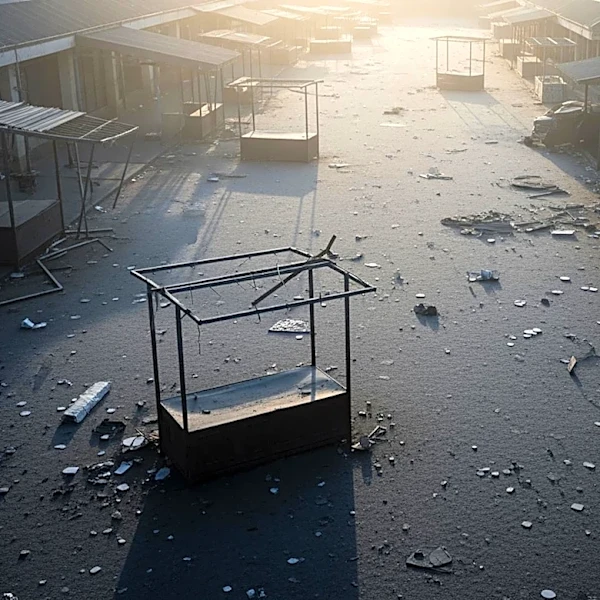
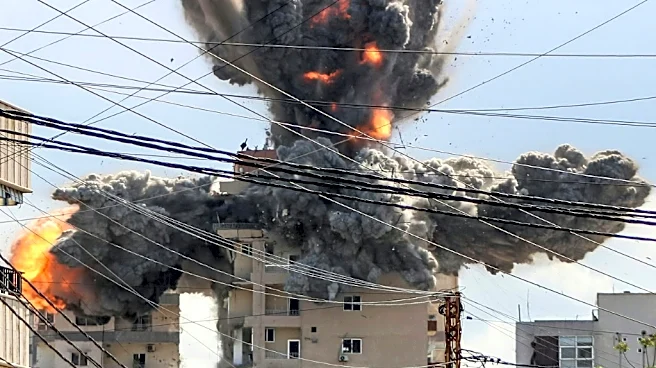
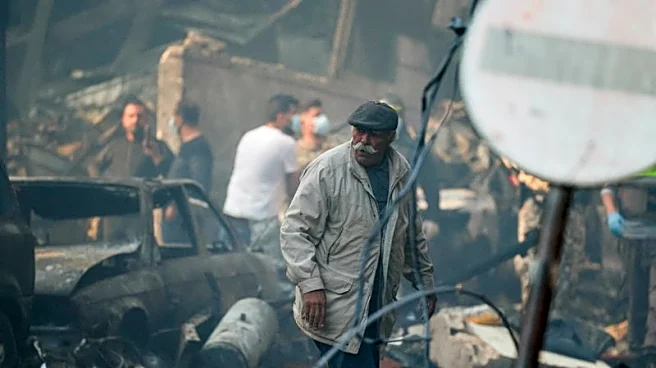
Hezbollah has launched rockets from Lebanon into northern Israel, causing damage to homes, infrastructure, and power lines. The attacks have led to repeated air raid sirens and alerts in several communities along the border, including Kiryat Shmona, Margaliot,
Avivim, Misgav Am, and Metula. While some rockets were intercepted by air defenses, others landed in open areas, resulting in property damage but no serious injuries. The Israeli Defense Forces (IDF) have intensified operations against Hezbollah positions in southern Lebanon, with artillery strikes reported. The situation remains tense, with residents facing wartime conditions despite diplomatic efforts to ease hostilities.
Why It's Important?
The ongoing conflict between Hezbollah and Israel poses significant security challenges for the region. The rocket attacks disrupt daily life and threaten civilian safety, highlighting the volatile nature of the border area. The IDF's response, including artillery strikes, underscores the military's commitment to neutralizing threats and maintaining national security. The situation also impacts diplomatic relations, as efforts to negotiate a ceasefire continue. The conflict has broader implications for regional stability, affecting neighboring countries and international diplomatic efforts to resolve tensions.
What's Next?
The IDF has stated that Home Front Command restrictions will remain in place, affecting educational activities, gatherings, and workplace operations in the affected areas. The military continues to conduct operations in southern Lebanon, targeting Hezbollah infrastructure and personnel. Diplomatic efforts may lead to talks between Israel and Lebanon to ease hostilities, but the situation remains fluid. The IDF's ongoing operations and the potential for further escalation could influence regional dynamics and international responses.