
What's Happening?
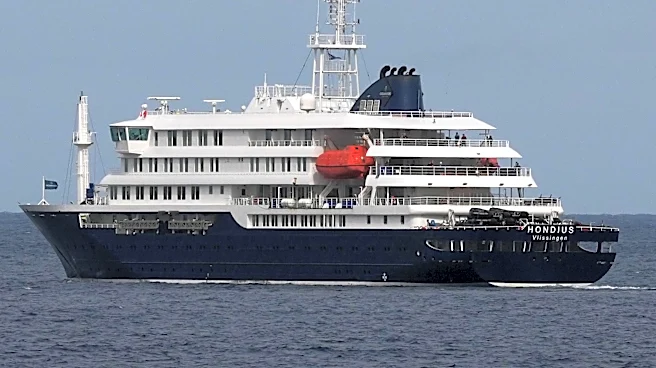
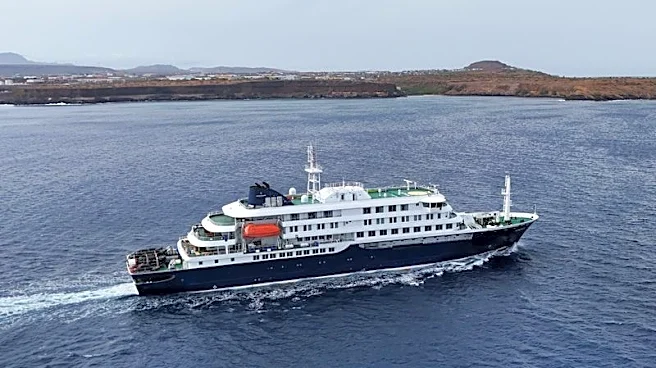
A Dutch-flagged cruise ship, the MV Hondius, has reached the Canary Islands after a hantavirus outbreak onboard. The ship, carrying nearly 150 people from over 15 countries, including 17 Americans, was
allowed to dock in Tenerife, Spain. Health officials are coordinating the evacuation of passengers and some crew members, with the World Health Organization (WHO) and other health organizations overseeing the process. The outbreak has resulted in at least nine confirmed or suspected cases, including three fatalities. The Americans onboard will be flown back to the U.S. for quarantine at the University of Nebraska Medical Center. The hantavirus, primarily spread through rodent contact, poses a low public risk according to WHO and the CDC.
Why It's Important?
The hantavirus outbreak on the MV Hondius highlights the challenges of managing infectious diseases in confined environments like cruise ships. The incident underscores the importance of international cooperation in health emergencies, as multiple countries are involved in the evacuation and repatriation efforts. The outbreak also raises awareness about hantavirus, a less common but serious disease, and the need for vigilance in monitoring and controlling such infections. The response by health authorities, including the CDC's involvement, reflects the ongoing commitment to public health safety and the prevention of disease spread.
What's Next?
Following the evacuation, the MV Hondius will continue to Rotterdam, Netherlands, with a skeleton crew. The CDC will conduct exposure risk assessments for the American passengers and provide monitoring recommendations. The source of the outbreak is under investigation, with initial suspicions pointing to the travel history of a Dutch couple who had been in regions where the Andes virus is present. The incident may prompt further scrutiny of health protocols on cruise ships and could lead to enhanced measures to prevent similar outbreaks in the future.