





What's Happening?
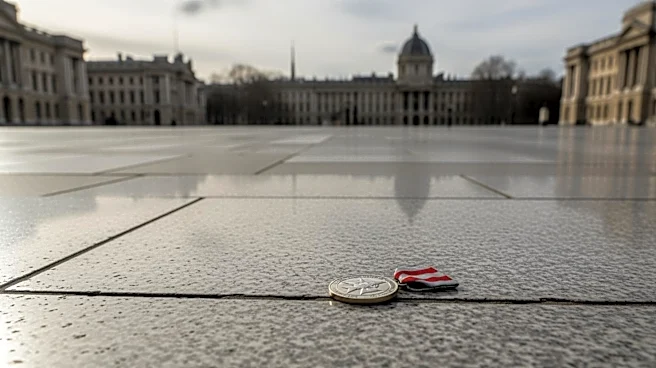
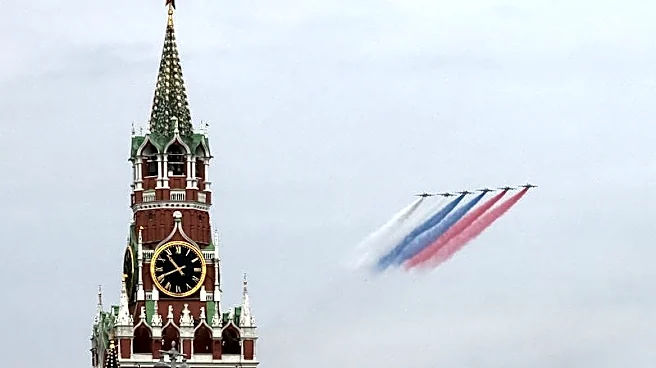
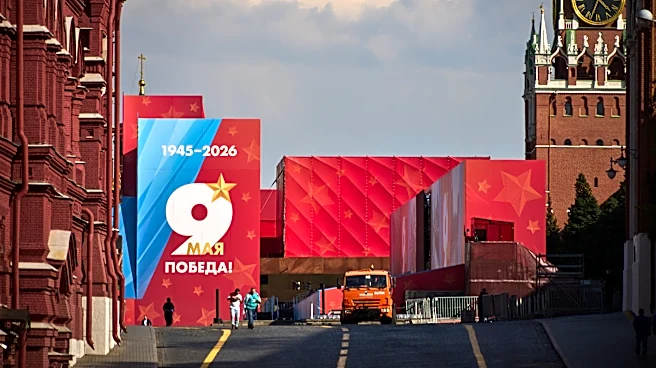
Russia has announced a scaled-back Victory Day celebration on May 9, traditionally marked by a grand military parade in Moscow's Red Square. This year, the parade will not feature tanks, missiles, or junior cadets due to heightened security concerns stemming
from the ongoing conflict with Ukraine. Despite the reduced military display, personnel from higher-level military academies will participate on foot, and the aerial portion of the program will proceed as planned. The Kremlin cited threats of 'Ukrainian terrorist activity' as a reason for the changes.
Why It's Important?
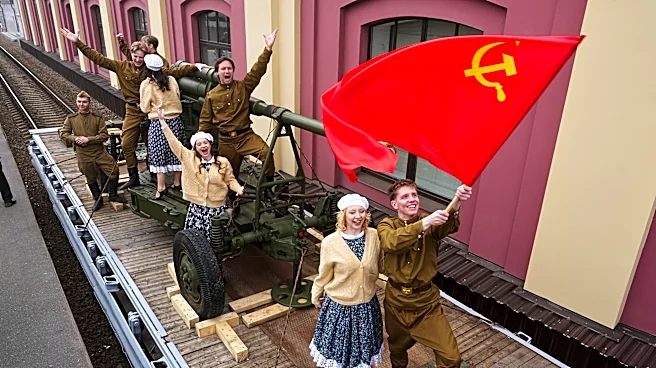
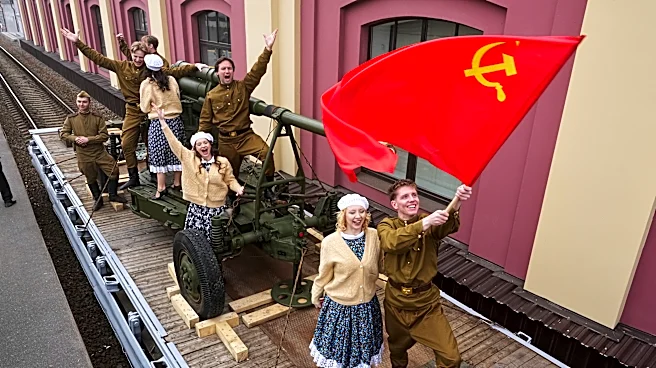
Victory Day is a significant event in Russia, commemorating the Soviet Union's victory over Nazi Germany in World War II. The decision to scale back the celebrations reflects the impact of the ongoing conflict with Ukraine on Russian domestic affairs. It highlights the security challenges faced by Russia and the strategic use of drones by Ukraine, which have been increasingly targeting Russian territory. This development underscores the broader geopolitical tensions and the potential for further escalation in the region.
What's Next?
The scaled-back celebrations may lead to increased security measures in Moscow and other major cities. The Kremlin will likely continue to monitor the situation closely, balancing the need for public displays of military strength with the risks posed by potential Ukrainian attacks. The international community will be watching closely for any signs of escalation or diplomatic efforts to resolve the conflict.
Beyond the Headlines
The changes to the Victory Day celebrations may have broader implications for Russian national identity and public morale. The event is a key moment for national unity and pride, and any perceived weakness or vulnerability could have political and psychological consequences. The situation also raises questions about the effectiveness of Russia's military strategy and its ability to protect its territory from external threats.