

What's Happening?
Marina Belyav, a 68-year-old resident of Tel Aviv, died after experiencing shortness of breath during a rocket alert siren. She was on her way to a shelter when she collapsed and was later pronounced dead at Ichilov Hospital despite resuscitation efforts.
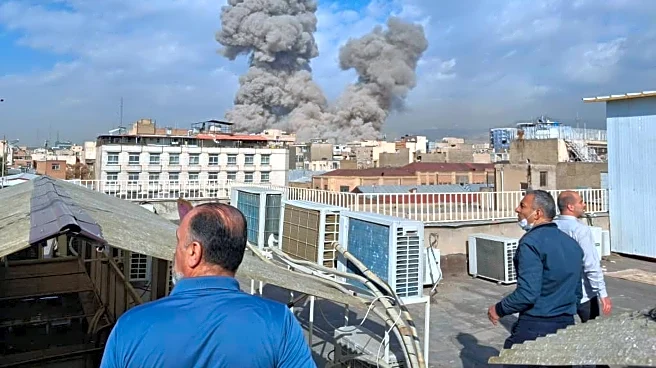
This incident occurred amid ongoing hostilities with Iran under Operation Roaring Lion. Dr. Yevgeni Gershman, a pulmonology expert, noted that anxiety does not directly cause fatal shortness of breath, but it can exacerbate existing heart and lung conditions.
Why It's Important?
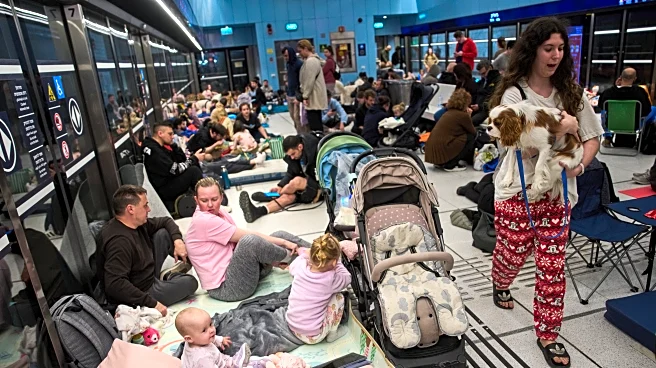
This tragic event underscores the severe health risks faced by civilians in conflict zones, particularly those with pre-existing medical conditions. The stress and panic induced by frequent rocket alerts can lead to fatal health incidents, highlighting the need for effective emergency medical protocols and public health strategies in such environments. The incident also raises questions about the adequacy of current shelter and evacuation procedures during wartime.
What's Next?
Health authorities may need to reassess and improve emergency response strategies to better protect vulnerable populations during conflicts. This could involve ensuring that individuals have access to necessary medications and medical devices in shelters. Additionally, there may be calls for increased mental health support to help residents cope with the stress of living in a conflict zone.