






What's Happening?
The Gulf of Maine Research Institute (GMRI), in collaboration with the New England Environmental Finance Center (NEEFC) and Resilience Works, LLC, is hosting virtual Climate Finance Office Hours. These sessions are designed to provide an open forum for individuals
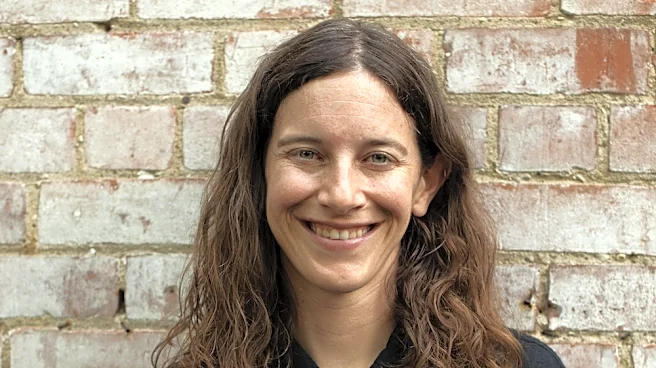
and organizations to ask questions related to funding and financing for a wide array of adaptation and mitigation projects, energy initiatives, and development efforts. The program aims to support communities, economic development entities, and other organizations in identifying and managing financial resources for climate-related projects. Nikki Yanok, Climate Finance Specialist at GMRI, whose background is in community development finance and impact investing, will facilitate discussions on topics such as revolving loan development, grant writing, and innovative investment strategies. Chloe Shields, Deputy Director of NEEFC, will also contribute, leveraging her expertise in environmental planning and program implementation, with a focus on climate resilience and water infrastructure, to help communities secure grant and loan funding.
Why It's Important?
This initiative is important because it directly addresses a critical need for accessible information and guidance on climate finance, particularly for U.S. communities and organizations. Effective climate finance is essential for implementing projects that protect environmental resources, strengthen long-term community resilience, and transition towards a low-carbon economy. By offering direct access to specialists, the program helps bridge the knowledge gap that often hinders smaller communities and non-profits from accessing necessary funds. This support can lead to the successful execution of vital projects, such as resilient infrastructure development, renewable energy installations, and adaptation measures against climate change impacts. The involvement of organizations like GMRI and NEEFC underscores a collaborative effort to empower local stakeholders in navigating complex financial landscapes, ultimately fostering more sustainable and resilient communities across the U.S.
What's Next?
The virtual Climate Finance Office Hours will continue to be held, with each session focusing on a short topical presentation or speaker before opening up for questions from participants. This structured approach ensures that attendees receive targeted information while also having the opportunity for personalized guidance. The organizers, including GMRI, NEEFC, and Resilience Works, LLC, are expected to continue their efforts in supporting communities across New England and beyond. Future sessions may delve into specific funding opportunities, policy changes, or emerging financial mechanisms relevant to climate adaptation and mitigation. The ongoing nature of these office hours suggests a sustained commitment to building capacity within communities to plan, fund, and implement projects that address environmental challenges and enhance resilience.
Beyond the Headlines
The establishment of dedicated climate finance office hours reflects a growing recognition of the intricate link between financial mechanisms and effective climate action. Beyond the immediate practical support, this initiative highlights a broader shift towards democratizing access to climate funding knowledge. Historically, navigating the complexities of environmental grants and investment strategies has been a significant barrier for many local entities. By providing direct, accessible expertise, these office hours contribute to a more equitable distribution of resources and capabilities in the fight against climate change. This model could serve as a blueprint for other regions, fostering a more informed and empowered network of climate action stakeholders, and ultimately accelerating the pace of adaptation and mitigation efforts at the grassroots level.