


What's Happening?
The 'How Appealing Weekly Roundup' from Above the Law provides an overview of significant legal developments, including a potential challenge to the landmark New York Times v. Sullivan case. Alan Dershowitz, a key figure in the original case, is advocating
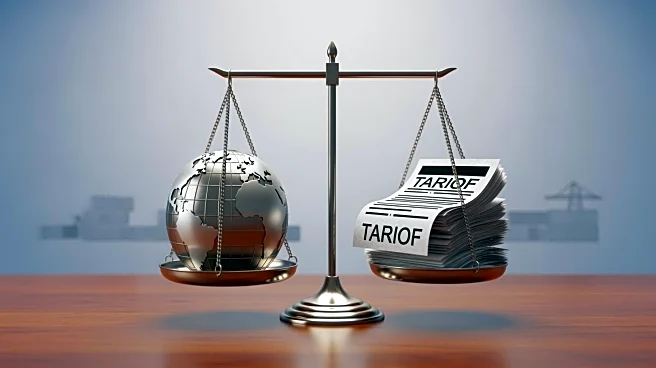
for its revision or repeal. Additionally, the roundup covers a lawyer involved in abortion pill litigation joining a conservative law firm, and discussions on safeguarding the Department of Justice against potential future abuses. The roundup also highlights a new editorial on the Supreme Court's role in addressing trade deficits and tariffs.
Why It's Important?
These legal developments have far-reaching implications for U.S. law and policy. Revisiting New York Times v. Sullivan could alter the landscape of press freedom and defamation law, impacting how media organizations operate. The involvement of high-profile legal figures in these cases underscores the ongoing debates over constitutional rights and government accountability. Changes in legal interpretations and policies could affect various sectors, including media, healthcare, and international trade, influencing public discourse and regulatory frameworks.
What's Next?
The potential revision of New York Times v. Sullivan may lead to significant legal battles and public debate. If the Supreme Court decides to hear the case, it could set a precedent for future defamation lawsuits and media practices. The legal community and civil rights organizations are likely to engage in advocacy and litigation to protect press freedoms. Additionally, the discussions on safeguarding the DOJ may prompt legislative proposals aimed at ensuring transparency and accountability in government operations.
Beyond the Headlines
The legal challenges and discussions highlighted in the roundup reflect broader societal tensions around freedom of speech, government oversight, and individual rights. These issues are central to the functioning of democracy and the rule of law in the United States. The outcomes of these cases could influence public trust in legal institutions and shape the country's legal and political landscape for years to come.