




What's Happening?
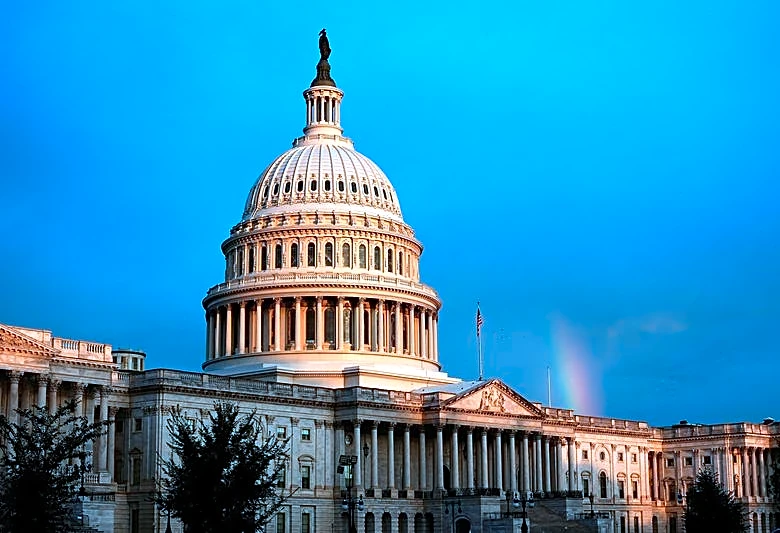
The U.S. Senate is currently circulating a bill aimed at extending key surveillance powers for three years, as the deadline for the current authorization approaches. This legislation, which builds on a House bill, has not been publicly released but is being
reviewed by senators. A procedural vote is expected soon. The bill seeks to address privacy concerns by including penalties, reviews, and restrictions on the use of information obtained from surveillance in criminal prosecutions of Americans. It also proposes narrowing the definition of an Electronic Communications Service Provider to limit who must provide data to the government. Additionally, the bill includes a three-year prohibition on the Federal Reserve issuing a Central Bank Digital Currency, a move to appease House conservatives. The legislation has been signed off by Senate Intelligence Chairman Tom Cotton, Vice Chairman Mark Warner, and Senate Judiciary Chairman Chuck Grassley.
Why It's Important?
The extension of surveillance powers under Section 702 of the Foreign Intelligence Surveillance Act (FISA) is a significant issue due to its implications for privacy and national security. Section 702 allows U.S. intelligence agencies to collect communications from foreigners overseas, but it has faced criticism for potentially enabling warrantless surveillance of Americans. The bill's attempt to address privacy concerns reflects ongoing debates about the balance between security and civil liberties. The inclusion of a prohibition on a Central Bank Digital Currency also highlights tensions between different political factions, with conservatives pushing back against perceived overreach by federal institutions. The outcome of this legislation could impact how surveillance is conducted and regulated in the U.S., affecting both privacy rights and national security strategies.
What's Next?
As the Senate prepares for a procedural vote, the bill's provisions will be scrutinized by privacy advocates and lawmakers. The outcome of the vote will determine whether the proposed reforms are sufficient to address privacy concerns. If passed, the bill will extend surveillance powers for three years, but ongoing debates about privacy and security are likely to continue. The prohibition on a Central Bank Digital Currency may also prompt further discussions about the role of digital currencies in the U.S. economy. Stakeholders, including civil liberties groups and financial institutions, will be closely monitoring the developments and may influence future legislative efforts.