



What's Happening?
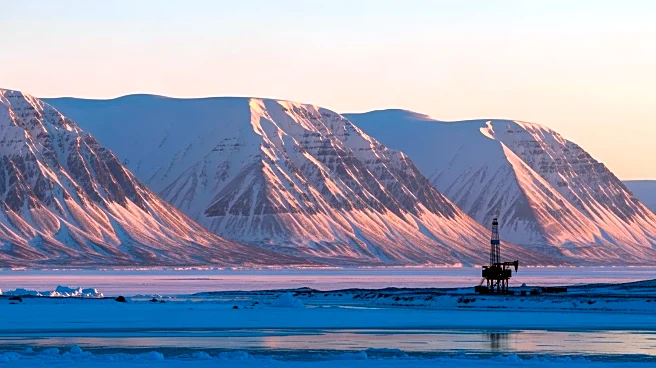
President Trump has initiated significant changes in U.S. oil and gas policy, focusing on expanding drilling operations in Alaska. The administration has opened the entire 1.5-million-acre coastal plain of the Arctic National Wildlife Refuge to oil and gas drilling,
reversing previous restrictions. Secretary Doug Burgum of the Department of the Interior has accelerated permit approvals, reducing the timeline from one-to-two years to just 28 days. Additionally, the administration has reversed Biden-era restrictions on the National Petroleum Reserve in Alaska, opening nearly a third of the 23-million-acre reserve to drilling. Offshore, the One Big Beautiful Bill Act mandates 36 oil and gas lease sales, including six in Alaska’s Cook Inlet between 2026 and 2032.
Why It's Important?
These policy shifts represent a 'seismic shift' in U.S. oil and gas policy, aiming to enhance domestic energy production and reduce reliance on foreign oil. The expansion of drilling operations in Alaska is expected to boost the U.S. economy by increasing oil and gas output, creating jobs, and generating revenue from lease sales. However, these actions have sparked controversy among environmental advocates who argue that increased fossil fuel extraction could harm ecosystems and contribute to climate change. The administration's focus on fossil fuels over renewable energy projects may also impact the U.S.'s long-term energy strategy and environmental commitments.
What's Next?
The Department of the Interior is expected to continue its acceleration of Arctic development, including advancing the controversial Ambler Road project. The administration may also target additional restrictions on renewable energy projects on federal lands while prioritizing fossil fuel development. Legal challenges to these policy changes are anticipated, as environmental groups and state governments may contest the expansion of drilling operations and the rollback of environmental protections.
Beyond the Headlines
The administration's actions could lead to long-term shifts in U.S. energy policy, prioritizing fossil fuel development over renewable energy initiatives. This approach may influence global energy markets and U.S. relations with countries focused on climate change mitigation. The reduction in federal royalty rates and bonding requirements for drillers has drawn criticism from fiscal conservatives, who argue that these measures provide subsidies to profitable corporations at the expense of taxpayers.