


What's Happening?
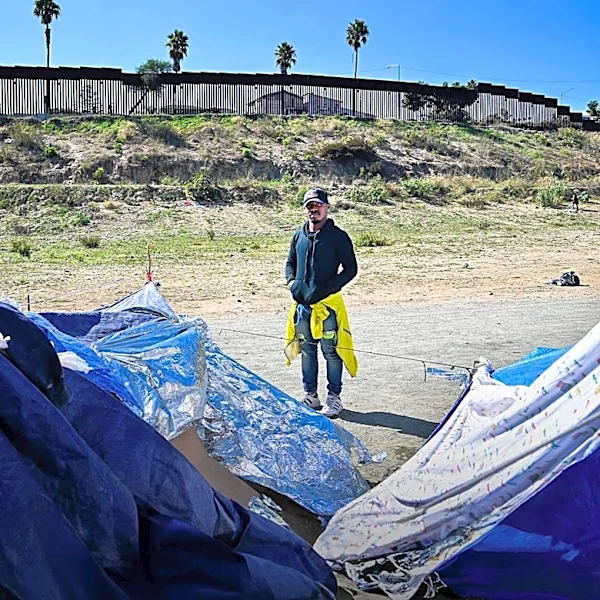
The Trump administration is moving to cancel $810 million in funds previously approved by Congress for health, education, and other programs. Over $567 million of this amount is specifically allocated for refugee and entrant assistance. The White House
asserts that these funds are no longer necessary. However, Congress's nonpartisan watchdog has stated that the administration's method for canceling these funds violates federal budget law. This action comes amidst broader concerns about youth violence and school absenteeism in New York, though the budget cancellation is a separate federal issue. The administration's attempt to rescind these congressionally approved funds without following proper legal procedures has drawn scrutiny from oversight bodies.
Why It's Important?
This action by the Trump administration carries significant implications for the balance of power between the executive and legislative branches in the U.S. The claim by Congress's nonpartisan watchdog that the cancellation violates federal budget law underscores a potential overreach of executive authority. If the administration proceeds with the cancellation outside of established legal processes, it could set a precedent that weakens congressional control over appropriations and federal spending. For the affected programs, particularly those related to refugee and entrant assistance, the loss of $567 million could severely impact services and support for vulnerable populations. This move could also lead to increased political tensions and potential legal challenges, as Congress may seek to defend its constitutional role in allocating federal funds. The outcome will influence future budgetary practices and the checks and balances within the U.S. government.
What's Next?
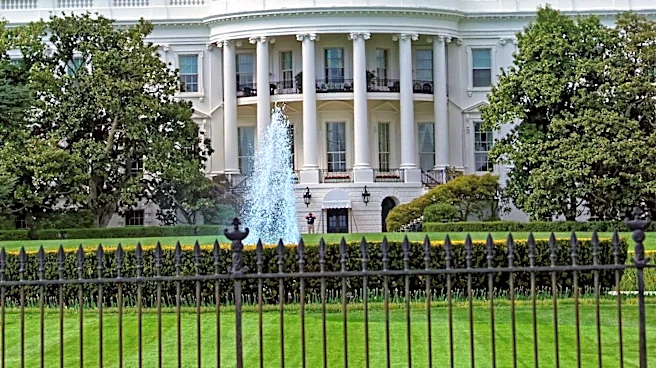
The immediate next step will likely involve further scrutiny and potential legal challenges from Congress or other oversight bodies regarding the alleged violation of federal budget law. Congress may initiate investigations, hold hearings, or even pursue legal action to block the administration's attempt to cancel the funds. Political leaders and civil society groups advocating for health, education, and refugee programs are expected to voice strong opposition and lobby for the restoration of the funds. The administration, in turn, may attempt to justify its actions or seek alternative legal avenues to achieve its budgetary goals. This situation could escalate into a significant constitutional dispute over fiscal authority, potentially leading to a standoff between the White House and Capitol Building. The resolution of this dispute will have lasting effects on how future administrations manage congressionally approved budgets.
Beyond the Headlines
This budgetary dispute highlights a deeper ideological conflict regarding the role and scope of federal spending, particularly in areas like social welfare and humanitarian aid. The administration's attempt to cancel funds for refugee assistance reflects a broader policy stance on immigration and federal support for non-citizens. Beyond the legal technicalities, this action could signal a shift in priorities, potentially leading to reduced federal investment in social programs and increased reliance on state or private initiatives. The controversy also underscores the ongoing debate about government efficiency and accountability, with the administration arguing that the funds are no longer needed, while critics contend that essential services are being jeopardized. This situation could further polarize political discourse and influence public perception of government spending and the allocation of resources for vulnerable populations.