






What's Happening?
The U.S. Department of Energy (DOE) has finalized a $5.1 billion loan package with Alliant Energy, aimed at expanding electricity generation and improving grid reliability across Iowa and Wisconsin. Announced on October 28, 2026, this financing agreement
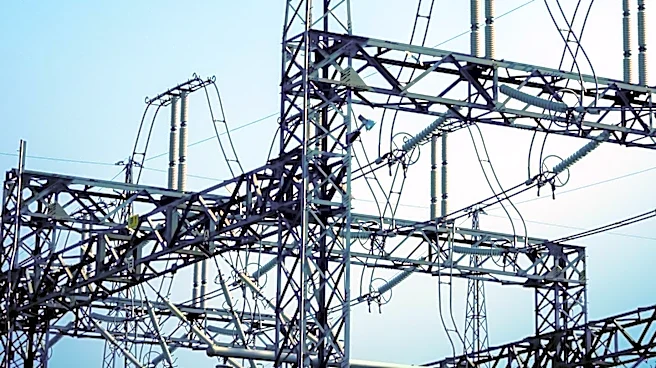
is expected to add over 2.6 gigawatts of new or upgraded power capacity, sufficient to serve nearly 2 million homes. The funds, provided through the DOE's Office of Energy Dominance Financing, will support new natural gas power plants, battery storage systems, and upgrades to existing generation facilities. Alliant Energy anticipates that this lower-interest financing, structured as 30-year loans, could lead to approximately $1.2 billion in cumulative customer savings over the loan period by reducing the company's interest expenses by more than $46 million annually. However, these savings are long-term projections and not immediate reductions in utility bills.
Why It's Important?
This significant federal investment underscores a national effort to bolster energy infrastructure and address rising electricity costs, which have become a growing concern for American households, particularly those on fixed incomes. The projected savings, while not immediate, could offer substantial long-term financial relief for residents and businesses in Iowa and Wisconsin. Furthermore, the expansion of generation capacity and improvements in grid reliability are crucial for meeting increasing energy demands and mitigating the risk of service disruptions. Dependable electricity infrastructure can prevent unexpected expenses for households, such as spoiled groceries during outages, and ensure essential services for those relying on electrically powered medical equipment. The initiative also projects the creation of over 1,600 local jobs during the construction phase, providing an economic boost to the region.
What's Next?
While the financing agreement is complete, individual projects funded by this loan package must still undergo development and regulatory approval processes. Alliant Energy has indicated that the federal financing will support infrastructure investments over an extended period, meaning customers should not expect immediate reductions in their electricity rates. The actual impact on utility bills will depend on regulatory decisions by the Iowa Utilities Commission and the Public Service Commission of Wisconsin, as well as other factors influencing electricity prices like fuel costs and customer demand. Residents interested in understanding the effects on their bills are advised to monitor Alliant Energy's announcements and rate proceedings. For immediate savings, households can explore available utility assistance programs, budget billing options, and energy-efficiency improvements.
Beyond the Headlines
The $5.1 billion energy deal highlights a broader trend of federal intervention and investment in critical infrastructure to address both economic and environmental challenges. By providing lower-interest financing, the government aims to incentivize utilities to undertake large-scale projects that might otherwise be cost-prohibitive or lead to higher consumer rates. This approach reflects a strategic balance between ensuring energy reliability, managing consumer costs, and potentially transitioning towards a more diversified energy portfolio, even as it includes natural gas generation. The long-term nature of the projected savings and the reliance on regulatory bodies for rate adjustments also underscore the complex interplay between federal policy, utility operations, and state-level consumer protection in the energy sector.