
What's Happening?
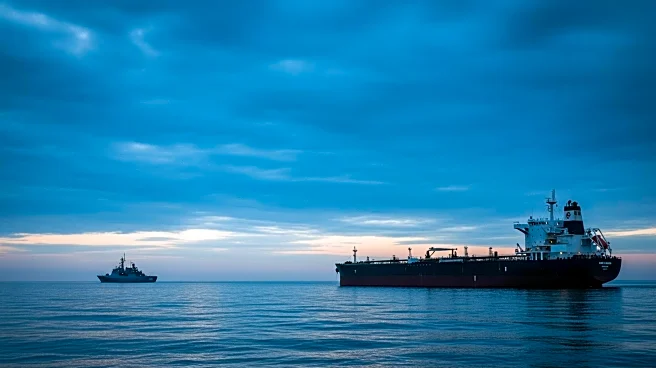
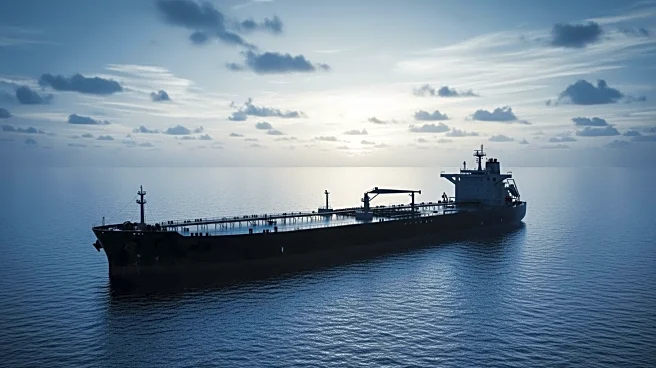
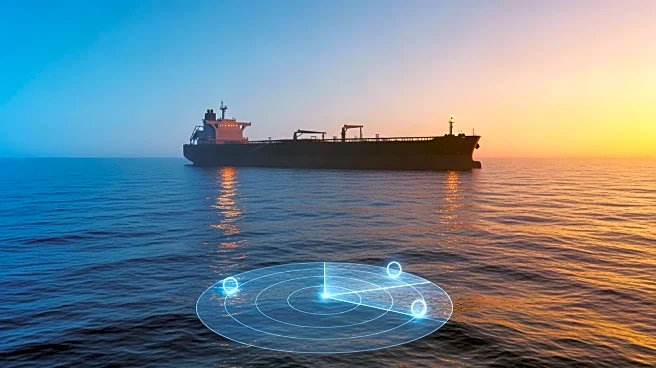
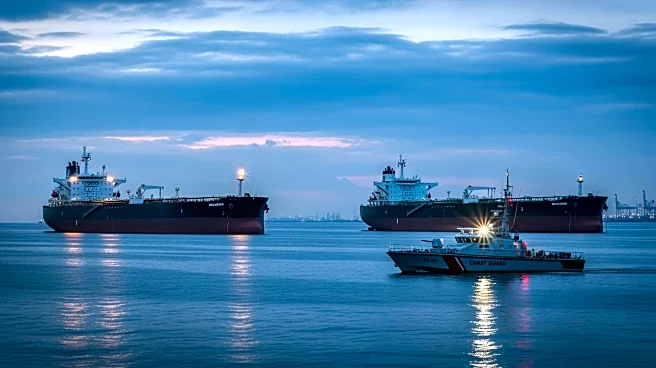
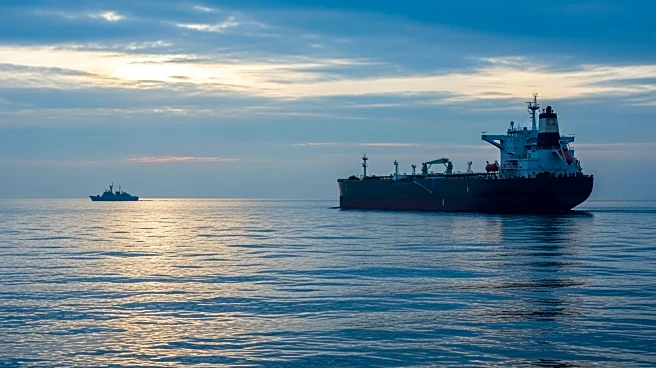
U.S. forces have intercepted the Veronica III, an oil tanker linked to Iran, in the Indian Ocean. This operation is part of the U.S.'s broader strategy to enforce sanctions on Venezuelan oil exports. The tanker, which departed Venezuela carrying 1.9 million
barrels of crude oil, is suspected of being involved in the transport of oil from sanctioned countries, including Russia and Iran. The Pentagon's operation, described as a 'right-of-visit, maritime interdiction and boarding,' reflects the U.S.'s efforts to disrupt illicit oil trade routes.
Why It's Important?
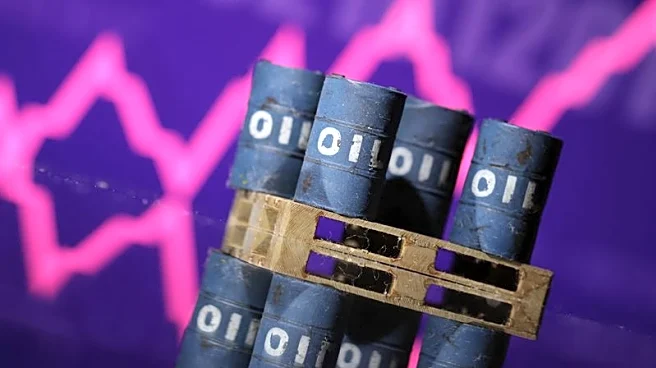
This interception underscores the U.S.'s commitment to enforcing international sanctions and disrupting illegal oil trade routes. By targeting vessels like the Veronica III, the U.S. aims to cut off significant revenue streams for the Venezuelan government, which relies heavily on oil exports. The operation also serves as a warning to other countries and entities involved in circumventing sanctions, reinforcing the U.S.'s commitment to maintaining its foreign policy objectives. The broader impact includes potential shifts in global oil markets and diplomatic relations, as countries navigate the complexities of U.S. sanctions.
What's Next?
The U.S. is expected to continue its enforcement actions, potentially leading to further interceptions of vessels linked to sanctioned countries. This could result in heightened tensions with nations like Venezuela and Iran, as well as with international partners who may be affected by disruptions in oil supply. The situation may prompt diplomatic discussions aimed at addressing the economic and geopolitical implications of these sanctions. Additionally, the U.S. may face challenges in balancing its enforcement actions with maintaining international alliances and trade relationships.