




What's Happening?
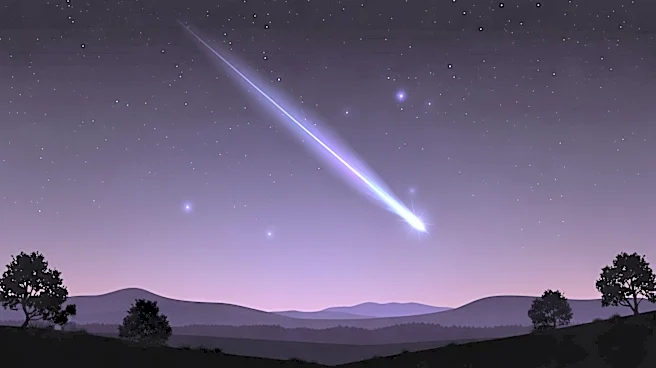
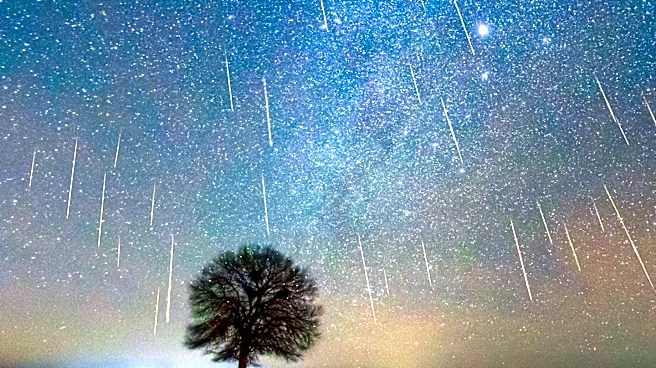
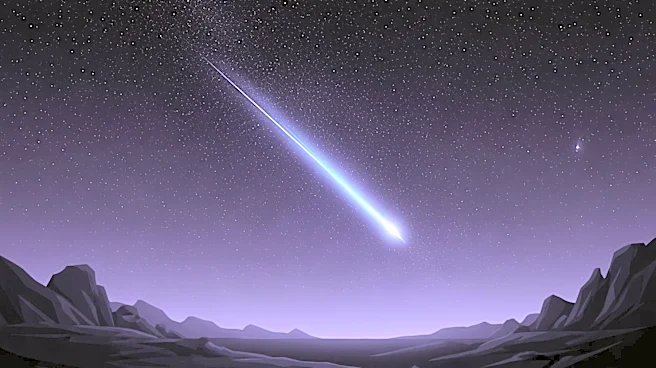
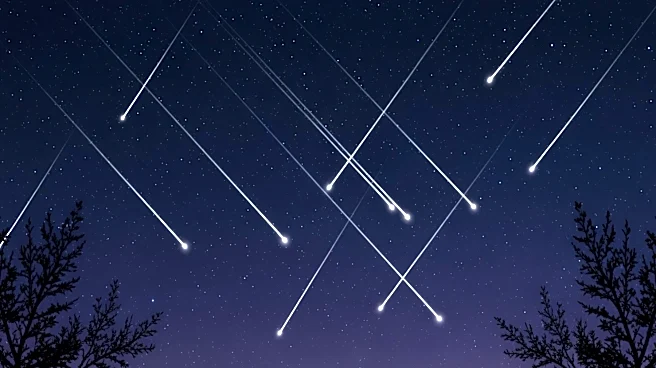
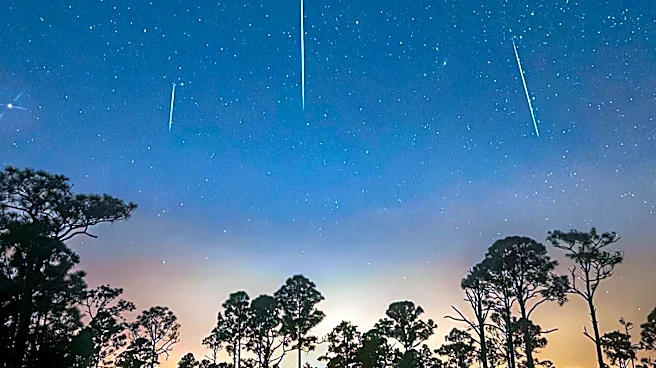
Two meteor showers, the Lyrids and the Eta Aquariids, are set to light up the night skies. The Lyrids, which began earlier this month, will peak between April 21 and April 22, offering a display of 15 to 20 meteors per hour under optimal conditions. This
meteor shower is fed by the C/1861 G1 comet, also known as Thatcher. The Eta Aquariids, starting on April 19 and lasting until May 28, is expected to peak between May 5 and May 6, with up to 50 meteors per hour. This shower is fed by the 1P/Halley comet, the same comet responsible for the Orionids meteor shower in October. The best viewing conditions for the Eta Aquariids are in the tropics, as the further south one is, the more meteors can be seen.
Why It's Important?
Meteor showers like the Lyrids and Eta Aquariids provide a natural spectacle that can be enjoyed by people across the globe, fostering interest in astronomy and the natural sciences. These events offer an opportunity for educational outreach and public engagement with space science. Additionally, they serve as a reminder of the dynamic nature of our solar system and the ongoing interactions between celestial bodies. For amateur astronomers and enthusiasts, these showers are a chance to observe and document meteor activity, contributing to scientific understanding and data collection.
What's Next?
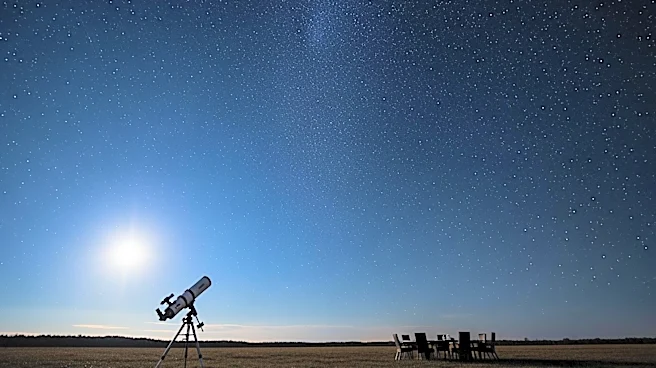
As the peak dates for these meteor showers approach, enthusiasts and the general public are encouraged to find locations with minimal light pollution to maximize their viewing experience. The Lyrids will be less affected by moonlight, while the Eta Aquariids may face challenges due to a nearly full moon, which could reduce visibility. Observers are advised to use sky map apps to locate the constellations from which the meteors appear to originate, enhancing their viewing experience. The ongoing interest in these meteor showers may lead to increased participation in astronomy clubs and events.