








What's Happening?
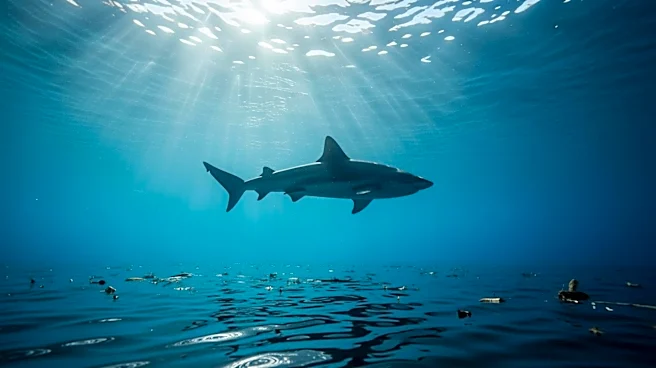
The phenomenon of El Niño, characterized by unusually warm ocean temperatures in the eastern equatorial Pacific, is expected to influence shark activity along U.S. coastlines. According to marine biologists, the warming waters could lead to sharks appearing
in areas where they are not typically found. This shift is driven by changes in water temperature, which affect the distribution of both prey and predators. Recent incidents, such as a shark attack on a Navy base employee in Florida, have heightened public concern. Experts, however, emphasize that while sightings may increase, the overall risk to humans remains low.
Why It's Important?
The potential increase in shark sightings due to El Niño could impact tourism and local economies dependent on beachgoers. While the risk of shark attacks is statistically low, heightened media coverage and public fear could deter visitors from coastal areas. This situation underscores the need for effective communication and safety measures to reassure the public. Additionally, the changing distribution of marine life due to climate patterns highlights broader environmental challenges and the need for adaptive management strategies in marine conservation.
What's Next?
As El Niño conditions develop, scientists and local authorities will likely monitor shark activity closely. Public awareness campaigns may be implemented to educate beachgoers on safety practices and the ecological factors driving these changes. Researchers will continue to study the impact of climate patterns on marine ecosystems, potentially informing future policy decisions. The situation also presents an opportunity for technological advancements in tracking and predicting marine life movements.