







What's Happening?
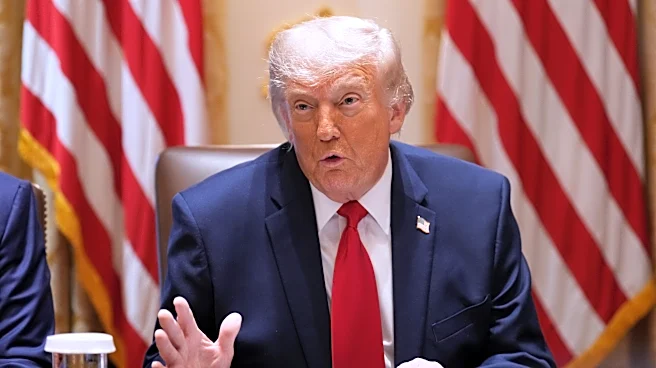
The United States and Iran have reportedly reached a breakthrough agreement on a 60-day ceasefire and the initiation of nuclear negotiations. The deal, pending President Trump's final approval, includes unrestricted shipping through the Strait of Hormuz
and the removal of Iranian naval mines. The US would gradually lift its naval blockade as commercial shipping resumes. Iran has committed not to pursue nuclear weapons, and discussions will focus on its enriched uranium stockpile, sanctions relief, and access to frozen funds. The agreement marks a significant diplomatic effort, though Iran has not publicly confirmed its approval.
Why It's Important?
This tentative agreement is pivotal in reducing tensions between the US and Iran, with potential implications for global oil markets and regional stability. The reopening of the Strait of Hormuz is crucial for international trade, particularly oil transportation. The deal could lead to economic benefits for Iran through sanctions relief, while the US aims to curb nuclear proliferation. The outcome of these negotiations could shape US foreign policy in the Middle East and influence international relations.
What's Next?
President Trump is expected to review the agreement before making a final decision. If approved, the US and Iran will enter a 60-day negotiation period to address nuclear issues and sanctions. The international community will closely watch the developments, with potential challenges including ensuring compliance and addressing Iran's nuclear capabilities. The success of these talks could set a precedent for future diplomatic engagements in the region.