


What's Happening?
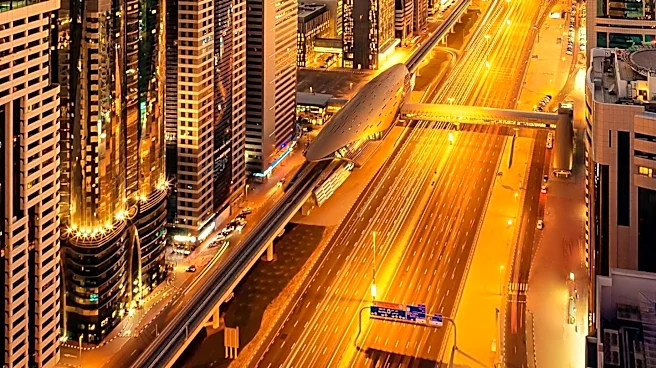
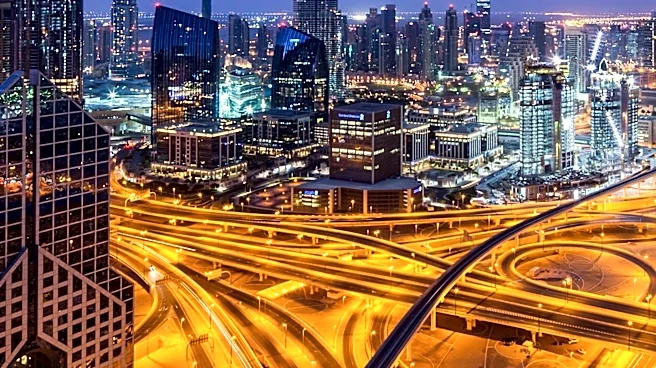
Dubai, a prominent emirate in the United Arab Emirates, has evolved into a significant global tourist destination by successfully integrating its rich ancient heritage with modern innovation. The city offers a diverse range of attractions, from cultural
experiences in historical buildings to contemporary adventures in shopping centers and futuristic museums. Its robust tourism infrastructure, including an international airport and an efficient transport network, ensures accessibility and comfort for a wide array of travelers. This transformation is also marked by a growing confidence in local culture, evident in the proliferation of neighborhood coffee shops, a diverse museum scene, and independent restaurants that utilize fresh, locally-grown ingredients. The city's development reflects a strategic effort to balance its traditional roots with its aspirations as a modern, global hub.
Why It's Important?
Dubai's successful blend of heritage and modernity offers a significant case study for urban development and tourism strategy, particularly for cities aiming to attract international visitors while preserving local identity. The emphasis on homegrown and homemade elements, from independent restaurants using local ingredients to a burgeoning arts and culture scene, demonstrates a shift towards sustainable and authentic tourism experiences. This approach not only diversifies Dubai's appeal beyond luxury and superlatives but also fosters local entrepreneurship and cultural pride. For the U.S. tourism industry, Dubai's model highlights the potential for integrating cultural authenticity with modern amenities to create compelling travel destinations, influencing how American cities might develop their own unique tourism propositions to attract a global audience.
What's Next?
Dubai is expected to continue its trajectory of cultural and urban development, with ongoing efforts to expand its diverse offerings. The city will likely see further growth in its independent culinary scene, with more chefs focusing on locally-sourced ingredients and unique dining experiences. The arts and culture sector, including museums and galleries, is also anticipated to broaden, providing more platforms for regional artists and cultural understanding. Additionally, the development of outdoor activities, such as hiking and desert safaris, will likely be enhanced to cater to a wider range of tourist preferences. The city's commitment to showcasing its heritage alongside its modern attractions suggests a sustained focus on creating a multifaceted destination that appeals to both luxury travelers and those seeking authentic cultural immersion.
Beyond the Headlines
Beyond its immediate economic impact, Dubai's evolution signifies a deeper cultural shift towards embracing and promoting local identity within a globalized context. The city's deliberate move to highlight homegrown talent and traditions, from chocolate factories inspired by ancient Arabian trading routes to restaurants serving regional Indian food, challenges the perception of Dubai as solely a city of imported luxury. This emphasis on local narratives and experiences contributes to a more nuanced understanding of Emirati culture and fosters a sense of authenticity that resonates with contemporary travelers. It also raises questions about how other rapidly developing global cities can balance economic growth with cultural preservation and the cultivation of a distinct local character, moving beyond mere imitation of Western models to create unique and meaningful urban identities.