






What's Happening?
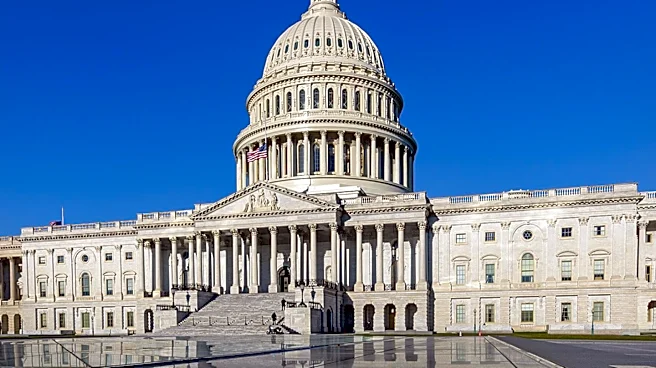
U.S. Representative Joe Courtney, a Democrat representing Connecticut's 2nd District, has voiced strong support for increased investment and backing for nuclear power as a clean energy solution. He highlighted the potential to reprocess spent nuclear fuel,
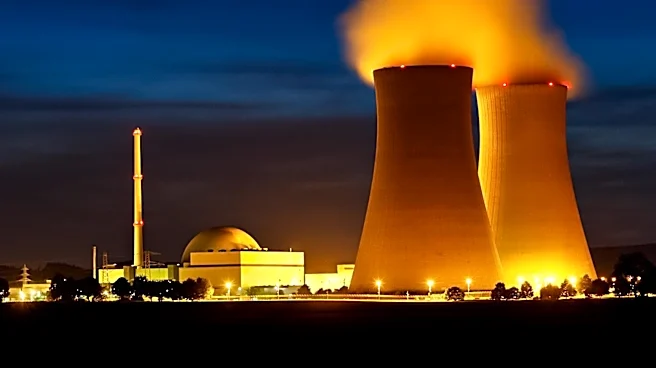
which could significantly reduce the volume of waste requiring disposal. Representative Courtney noted that there is substantial Congressional support for this spent fuel initiative, a project that has seen continuity across multiple presidential administrations. His comments come as New England leaders are exploring nuclear energy to address rising energy costs and demand. The region, which once had eight operating nuclear power plants, now relies on two, Millstone Nuclear Power Station in Waterford and Seabrook Station in New Hampshire, for approximately one-quarter of its electricity.
Why It's Important?
The push for renewed nuclear power investment, as advocated by Representative Courtney, is significant for U.S. energy policy and environmental goals. Nuclear energy offers a carbon-free power source, crucial for combating climate change and meeting growing electricity demands without relying on fossil fuels. The emphasis on reusing spent fuel could address a long-standing challenge in nuclear power: the safe and permanent disposal of radioactive waste. Successfully implementing spent fuel recycling would not only reduce waste volume but also potentially extract more energy from existing nuclear resources, enhancing energy security. For regions like New England, facing high energy costs and a desire to transition to cleaner energy, nuclear power could provide a stable, on-demand power source, complementing intermittent renewables. However, the high costs, technical challenges, and public perception issues associated with nuclear power development remain significant hurdles.
What's Next?
The initiative to advance nuclear power and spent fuel reuse will likely involve continued legislative efforts to secure funding and policy support. Representative Courtney's statement suggests ongoing Congressional backing for these endeavors. At the federal level, the Department of Energy is actively seeking locations for interim storage sites for spent nuclear fuel and has engaged with states to explore recycling or disposal facilities. States like Connecticut, which partially repealed its nuclear moratorium, and towns like Waterford, which hosts the Millstone plant, are showing interest in new nuclear development. The availability of state bonds for 'site readiness' programs, as seen in Connecticut, indicates a move towards facilitating future nuclear projects. The development of small modular reactors (SMRs) is also a key focus, with prototypes under construction in other states, aiming to reduce costs and accelerate deployment. However, regulatory approvals, financial models, and community engagement will be critical next steps for any new projects.
Beyond the Headlines
Beyond the immediate energy and waste management benefits, a renewed focus on nuclear power, particularly with spent fuel reuse, could reshape the U.S. energy landscape and its global standing in nuclear technology. Ethically, addressing the spent fuel issue through recycling could alleviate concerns about long-term environmental burdens and intergenerational equity. Economically, it could stimulate job growth in advanced manufacturing, engineering, and research sectors. The development of advanced reactor technologies and fuel recycling could also position the U.S. as a leader in nuclear innovation, influencing international energy policies and non-proliferation efforts. However, the historical challenges of public acceptance, safety perceptions, and the complex regulatory environment for nuclear facilities will require sustained public education and transparent governance to overcome. The long-term shift could involve a more diversified energy portfolio, reducing reliance on volatile fossil fuel markets and enhancing national energy independence.