


What's Happening?
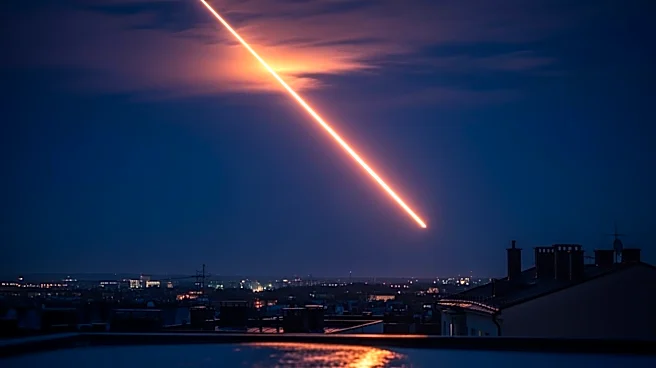
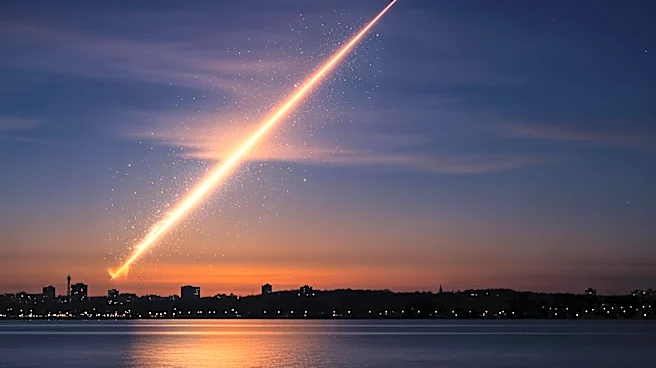
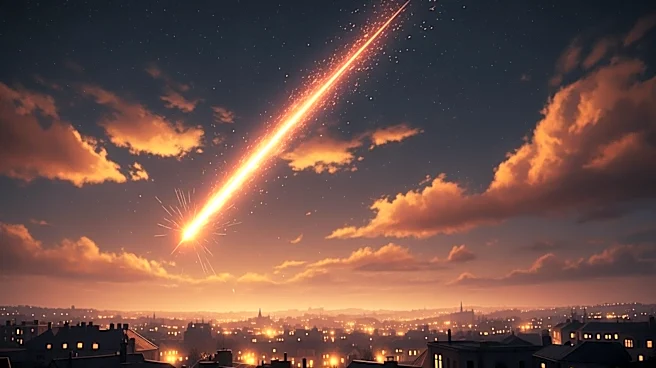
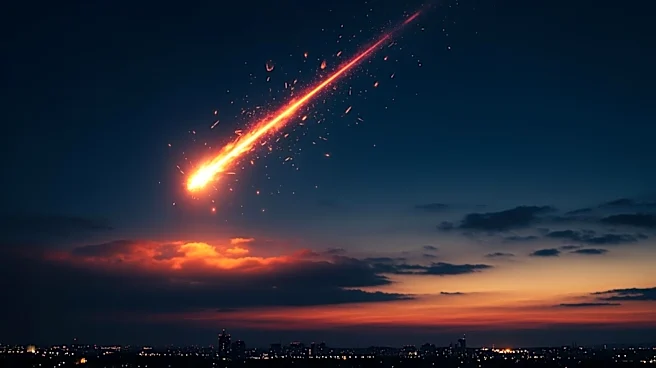
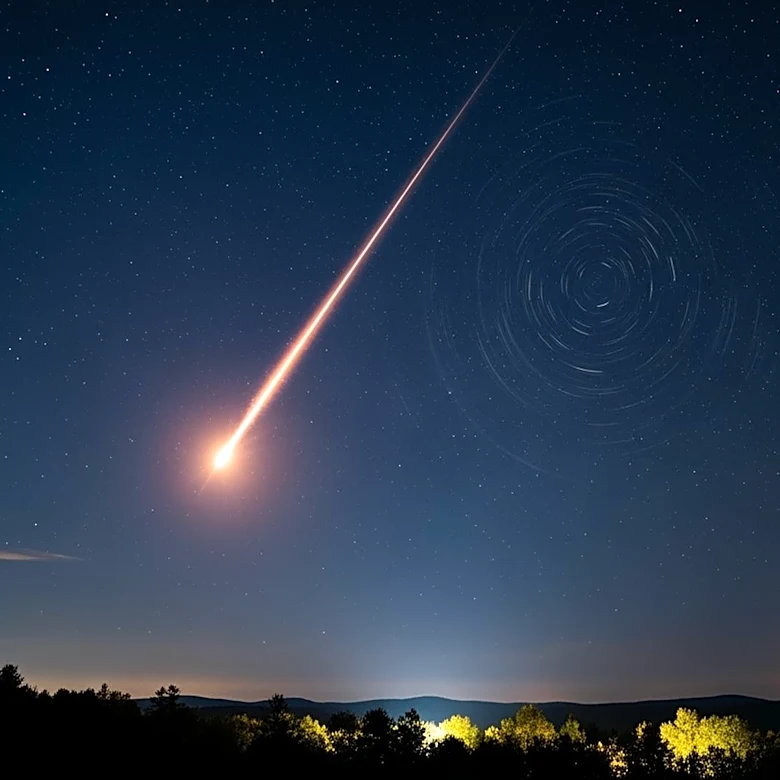
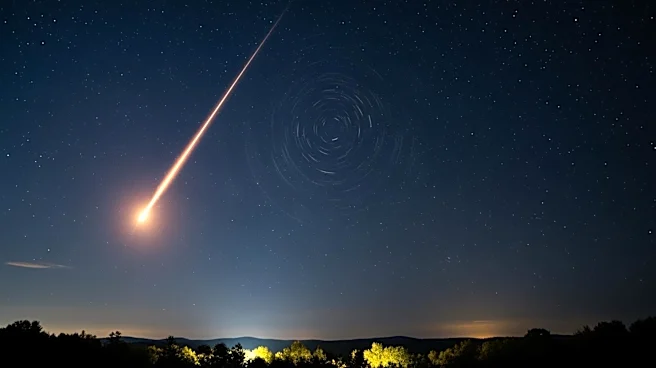
A meteor disintegrated off the coast of Boston, Massachusetts, on May 30, 2026, creating a series of sonic booms that were heard across the state. According to Eric Fisher, chief meteorologist with CBS News' Boston affiliate WBZ-TV, the meteor fell around
2 p.m. EDT. The American Meteor Society (AMS) reported that the phenomenon was not lightning, as initially speculated, but rather a meteor that disintegrated, causing the loud booms. Nearly 50 witness reports were filed with the AMS, with sightings across eight states and Canada. This event is part of a series of meteor sightings across the United States, with similar fireballs reported in various regions, including the West Coast, Midwest, and Texas.
Why It's Important?
The occurrence of meteors entering Earth's atmosphere and causing sonic booms highlights the dynamic nature of space debris interactions with our planet. Such events can have implications for public safety and awareness, as they often cause alarm due to their sudden and loud nature. The widespread reports and interest in these events underscore the need for effective communication and education about natural astronomical phenomena. Additionally, these occurrences provide valuable data for scientists studying meteoroids and their impact on Earth's atmosphere.
What's Next?
As meteor sightings continue, agencies like NASA and the American Meteor Society will likely continue to monitor and report on these events to better understand their frequency and impact. Public interest in such phenomena may lead to increased educational outreach and possibly more robust systems for tracking and predicting meteor entries. Communities may also develop better preparedness plans to address public concerns when such events occur.