








What's Happening?
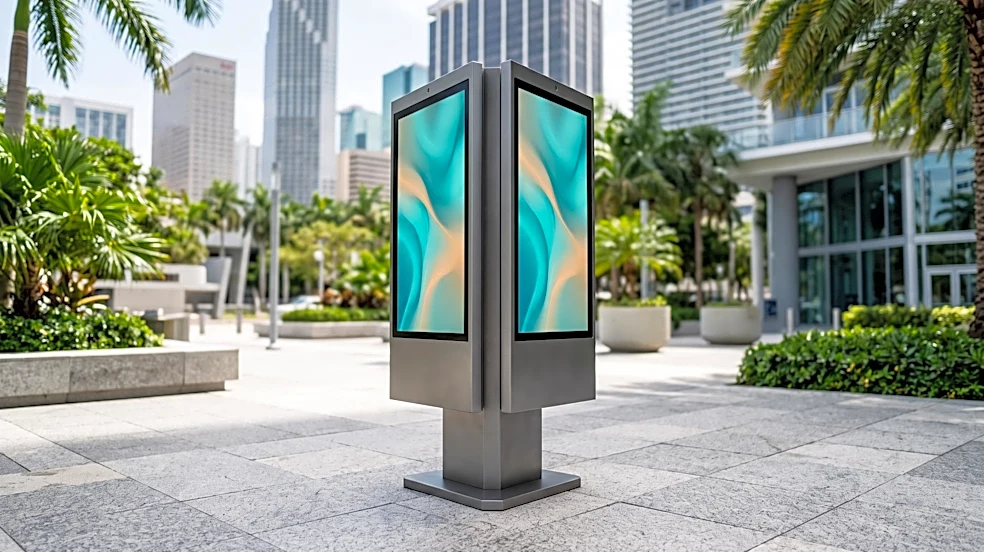
The City of Miami has launched an initiative to install interactive kiosks across the city, aiming to improve the pedestrian experience and provide extensive connectivity. Up to 150 kiosks are planned for deployment in areas including Overtown, downtown,
Brickell, Coconut Grove, Little Havana, and Allapattah. These double-sided kiosks feature two digital touchscreens and a suite of interactive applications designed to engage users and facilitate movement. Each kiosk functions as a free Wi-Fi hotspot and offers location-aware, multilingual digital content. This content includes comprehensive wayfinding, listings of local businesses, cultural organizations, events, civic resources, job listings, and social services such as homeless housing, addiction recovery programs, and food support. The program is funded entirely by advertising revenue displayed when the kiosks are not in use, incurring no cost to taxpayers. Mayor Francis Suarez stated that this initiative builds on Miami's commitment to smart city development and strengthens its role as an innovator.
Why It's Important?
This deployment of interactive kiosks in Miami signifies a broader trend in urban development towards smart city initiatives and enhanced public digital infrastructure. For residents and visitors, it offers improved access to essential information, navigation, and connectivity, potentially bridging the digital divide by providing widespread internet access and data. For local businesses and cultural organizations, the kiosks offer a new platform for visibility and engagement with the public. The funding model, relying on advertising rather than taxpayer money, could serve as a blueprint for other municipalities looking to implement similar public technology projects sustainably. The integration of social services information also highlights a growing recognition of technology's role in addressing community needs, making vital resources more accessible to vulnerable populations.
What's Next?
The City of Miami plans to install up to 150 interactive kiosks city-wide, with the initial phase already underway. The program's success will likely be monitored through user engagement metrics, advertising revenue generation, and feedback from local establishments and community members. Future developments could include expanding the types of interactive applications offered, integrating with more city services, and potentially influencing other U.S. cities to adopt similar models. The kiosks are also expected to frequently showcase new projects by local and international entertainers in collaboration with Miami's cultural organizations, suggesting an ongoing evolution of content and community integration. Continued investment in smart city technologies is anticipated as Miami aims to solidify its position as a leading technology hub.
Beyond the Headlines
The implementation of interactive kiosks in Miami extends beyond mere convenience, touching upon deeper societal and economic implications. Ethically, the provision of free Wi-Fi and access to social services through these kiosks addresses issues of digital equity and accessibility, ensuring that critical information and connectivity are available to a wider segment of the population, including those who might otherwise be underserved. Culturally, the kiosks' ability to showcase local entertainers and cultural organizations can foster a stronger sense of community and promote local talent. Economically, the advertising-funded model creates a self-sustaining public service, potentially generating revenue for the city and supporting local quasi-governmental establishments. This initiative represents a shift towards integrating technology seamlessly into urban life, not just for efficiency but also for social good and economic development, setting a precedent for how cities can leverage digital tools to create more inclusive and connected environments.