






What's Happening?
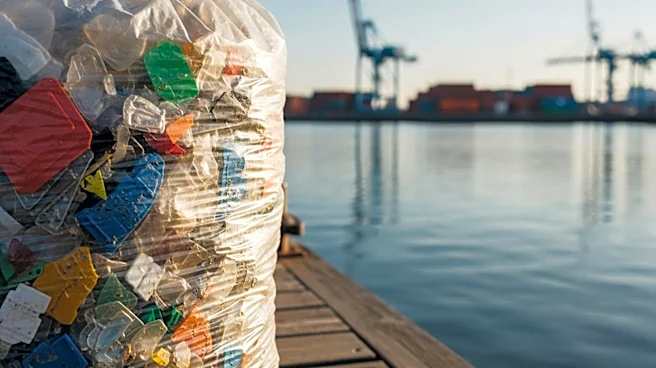
In 2025, Germany emerged as the largest exporter of plastic waste, sending over 810,000 tonnes overseas, according to a new analysis. The UK followed closely, exporting more than 675,000 tonnes. Much of this waste was directed to Turkey, Malaysia, and
Indonesia, where the recycling industry has been linked to environmental damage and labor abuses. The EU plans to ban plastic waste exports to non-OECD countries by November 2026, but concerns remain about the capacity of recipient countries to manage increased volumes. The EU and UK are tightening regulations to improve transparency and reduce illegal waste shipments.
Why It's Important?
The export of plastic waste to countries with inadequate recycling infrastructure poses significant environmental and health risks. The EU's impending ban on such exports marks a critical step towards taking responsibility for its waste, potentially reducing environmental harm in developing countries. However, the challenge remains in managing waste domestically, as the EU's recycling capacity has decreased. This situation underscores the need for comprehensive waste management strategies and highlights the global nature of plastic pollution, necessitating international cooperation and policy alignment.
What's Next?
As the EU's export ban approaches, there is potential for increased pressure on domestic recycling systems. Countries like Turkey may face further strain on their waste management infrastructure. The EU and UK will need to enhance their recycling capabilities and explore alternative waste management solutions. Additionally, there may be increased scrutiny on the effectiveness of new regulations and their enforcement. The situation could prompt further policy developments aimed at reducing plastic production and promoting sustainable materials.
Beyond the Headlines
The issue of plastic waste exports raises ethical questions about environmental justice and the responsibilities of developed nations. The concept of 'waste colonialism' highlights the disproportionate impact on developing countries, which often bear the brunt of environmental degradation. This situation calls for a reevaluation of global waste management practices and a shift towards a circular economy. It also emphasizes the importance of consumer awareness and corporate accountability in addressing plastic pollution.