
What's Happening?
Farmers are experiencing increased costs for fuel, fertilizer, and animal feed, largely due to the conflict in Iran. These rising costs add to the existing pressures on the agricultural sector. Additionally,
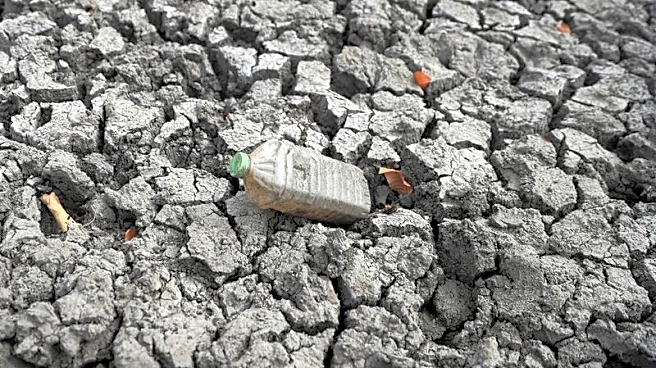
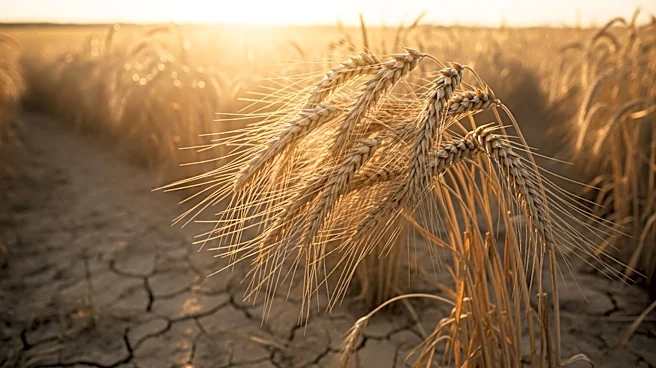
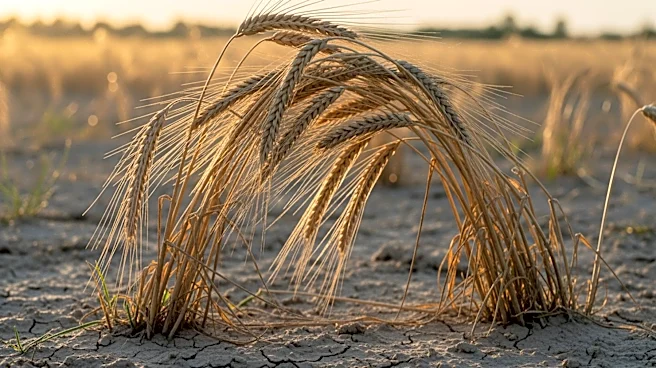
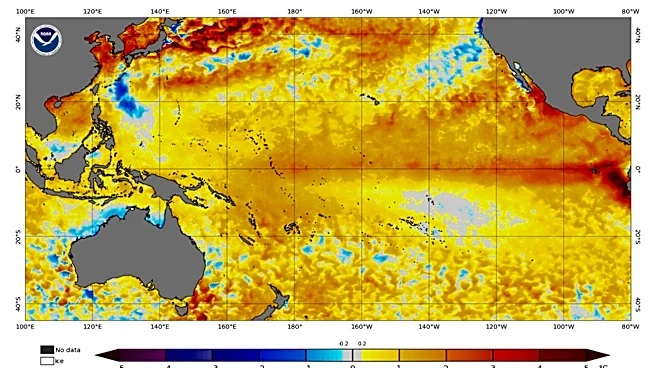
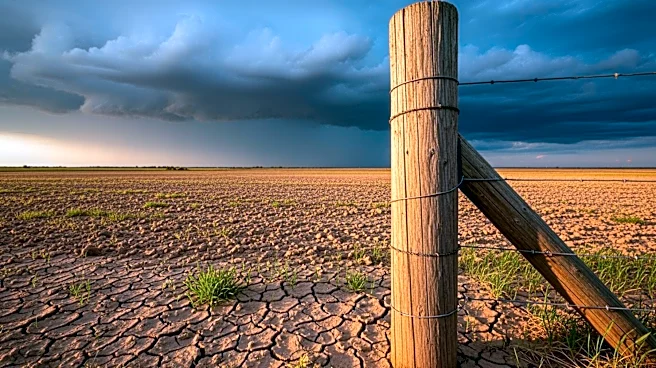
farmers are grappling with extreme weather conditions, such as record-breaking temperatures in Europe and the UK. The United Nations has warned about the imminent return of El Niño, a weather pattern that could exacerbate global temperature increases and alter rainfall patterns. These challenges are prompting farmers to reassess their farming practices and consider the long-term impacts of climate change on agriculture.
Why It's Important?
The rising costs and extreme weather conditions present significant challenges for the agricultural sector, which is crucial for food production and supply. Increased operational costs can lead to higher food prices, affecting consumers and the broader economy. The impact of climate change on farming practices could also lead to shifts in agricultural productivity and food availability. Understanding and addressing these challenges is vital for ensuring food security and sustainability in the face of environmental and geopolitical pressures.
What's Next?
Farmers may need to adopt new strategies and technologies to cope with rising costs and changing weather patterns. This could include investing in more resilient crop varieties, improving water management practices, and utilizing technology to optimize resource use. Policymakers and industry stakeholders may also need to collaborate on solutions to support farmers and ensure the stability of the agricultural sector.