
What's Happening?
A report highlights a dramatic increase in the global livestock population, with numbers rising from 61.8 billion in 2006 to 94.9 billion in 2023. This surge is attributed to the expansion of factory farming,
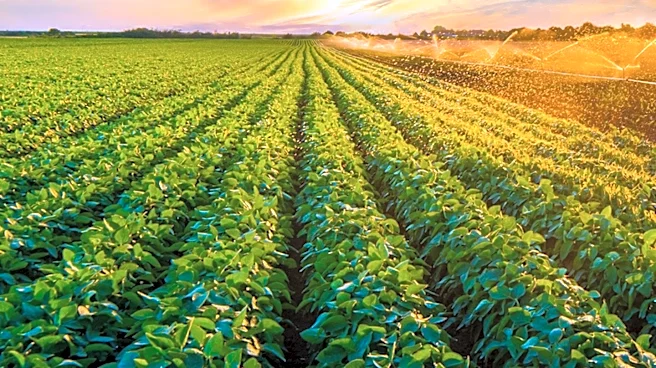
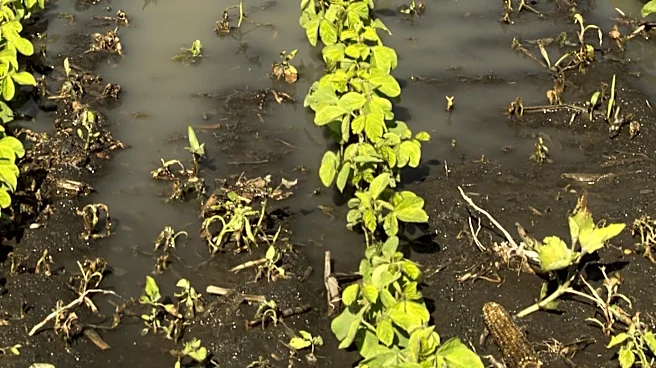
which has significantly increased the demand for agricultural land and water resources. The report, from the alliance Stop Financing Factory Farming, notes that the acreage for animal feed has grown by a quarter, and water usage for irrigation is heavily dominated by livestock needs. Environmental impacts include increased emissions and marine dead zones, such as one in the Gulf of Mexico.
Why It's Important?
The expansion of factory farming poses significant environmental challenges, including resource depletion and pollution. The increase in livestock numbers contributes to higher greenhouse gas emissions, exacerbating climate change. The strain on water and land resources threatens biodiversity and the sustainability of agricultural practices. Activists are calling for a shift in investment away from industrial agriculture to promote more sustainable food systems. This issue is critical as it affects global food security, environmental health, and economic policies related to agriculture.
What's Next?
Campaigners are urging public development banks to cease funding industrial agriculture and instead support sustainable practices. This shift could lead to changes in agricultural policies and investment strategies, potentially influencing global food production systems. The call for reduced meat consumption and alternative protein sources may gain traction, impacting consumer behavior and market dynamics. Stakeholders, including governments and financial institutions, may face pressure to align with environmental goals and support sustainable development initiatives.