



What's Happening?
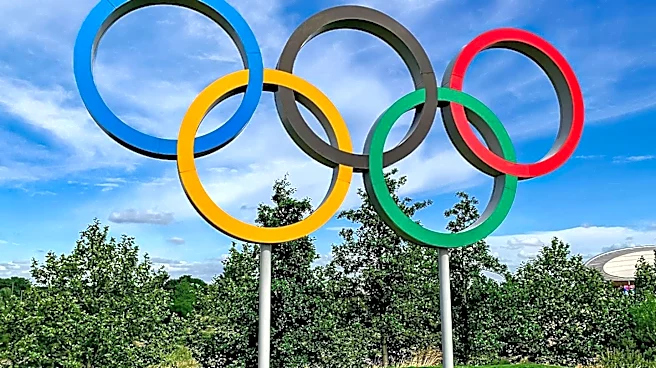
Atlanta Mayor Andre Dickens has publicly rejected a proposal to move the Olympic cauldron from its current location in the Summerhill neighborhood. The cauldron has been situated near Georgia State’s football stadium for 30 years since the 1996 Atlanta Olympics.
Georgia State University had proposed relocating the cauldron to Centennial Olympic Park, aiming to better connect Atlanta's Olympic legacy downtown. However, Mayor Dickens, in a letter to Jeff Cravens, president of Atlanta Legacy ’96, stated his opposition to the move. He emphasized that the Summerhill, Peoplestown, and Mechanicsville neighborhoods served as the 'world’s living room' during the 1996 Olympics and have since endured significant gentrification and displacement. Dickens argued that thousands of residents have remained in these communities despite these changes and deserve to retain the cauldron as a symbol of their history and resilience. He further noted that the proposed relocation does not reflect the collaborative approach these communities deserve, and their voices should be heard.
Why It's Important?
This decision by Mayor Dickens underscores the ongoing tension between urban development and community preservation in Atlanta. The Olympic cauldron, while a symbol of a major international event, has become deeply intertwined with the identity and history of the Summerhill neighborhood. Relocating it would not only erase a physical landmark but also symbolically diminish the contributions and sacrifices of the communities that hosted the 1996 Games and subsequently faced gentrification. The mayor's stance highlights a commitment to prioritizing community input and historical context over development plans that might overlook local sentiment. This could set a precedent for future urban planning projects in Atlanta, encouraging more inclusive decision-making processes that consider the long-term social impact on existing residents. For Georgia State University, the rejection means a re-evaluation of their plans for the cauldron and potentially a need to engage more deeply with local communities to find mutually agreeable solutions.
What's Next?
Following Mayor Dickens's public rejection, Atlanta Legacy ’96 and Georgia State University will likely need to reconsider their plans for the Olympic cauldron. The mayor has pledged his 'unwavering support' for the Summerhill, Mechanicsville, and Peoplestown neighborhoods, indicating a firm stance against the relocation. This situation may lead to further dialogue between the university, city officials, and community representatives to explore alternative solutions that honor both the Olympic legacy and the historical significance of the cauldron's current location. It is possible that Georgia State University might need to revise its proposal or engage in more extensive community outreach to address the concerns raised by the mayor and local residents. The outcome could influence how future historical landmarks are managed in Atlanta, potentially leading to stronger protections for community-rooted symbols.
Beyond the Headlines
The debate over the Olympic cauldron's location delves into deeper issues of urban memory, gentrification, and community identity. For the residents of Summerhill, Peoplestown, and Mechanicsville, the cauldron is more than just a relic of the 1996 Olympics; it represents their enduring presence and resilience in the face of significant urban transformation. The mayor's intervention highlights a growing recognition of the importance of preserving the cultural and historical fabric of neighborhoods, especially those that have experienced displacement due to development. This situation also brings to light the ethical considerations involved when institutions like universities propose changes that impact long-standing community symbols. It emphasizes the need for a balanced approach that respects both historical narratives and the lived experiences of current residents, fostering a sense of belonging and continuity in rapidly changing urban landscapes.