







What's Happening?
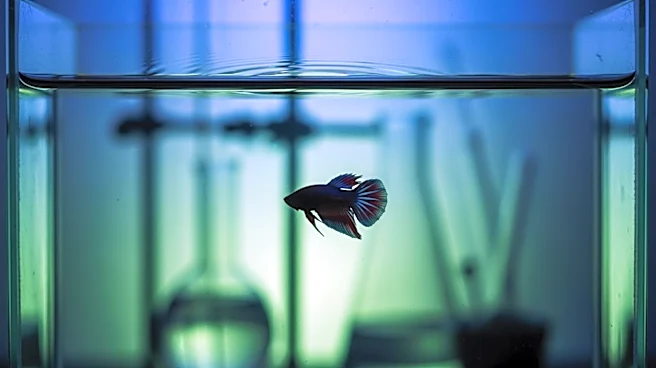
Researchers have conducted a groundbreaking study by administering psilocybin, the psychoactive component in magic mushrooms, to mangrove rivulus fish, known for their aggressive behavior. The study, published in Frontiers in Behavioral Neuroscience,
revealed that psilocybin reduced the aggressive darting behavior of these fish, although other less aggressive interactions remained unchanged. This research marks the first instance of psilocybin being shown to reduce aggression in any animal model. The study was led by Dayna Forsyth at Acadia University, who noted the unique genetic makeup of the fish, which allowed for a controlled examination of behavioral effects without genetic variability. The findings suggest potential avenues for further research into the neural mechanisms affected by psilocybin.
Why It's Important?
The study's findings could have significant implications for understanding the effects of psychoactive substances on behavior across different species, including humans. By demonstrating that psilocybin can specifically target and reduce high-energy aggressive behaviors, the research opens up possibilities for exploring similar effects in other animals and potentially humans. This could lead to new insights into managing aggression and related behaviors in various contexts. Additionally, the study contributes to the broader field of psychedelic research, which is gaining interest for its potential therapeutic applications in mental health treatment.
What's Next?
Future research may focus on identifying the neural pathways affected by psilocybin in fish and exploring whether similar mechanisms exist in humans. Researchers might also investigate the effects of varying doses of psilocybin on fish behavior and whether repeated exposure could lead to tolerance or altered behavioral responses. These studies could provide valuable data for developing therapeutic strategies using psychedelics in clinical settings.